Choosing between a lounge chair and a reading chair can be a delightful dilemma. It’s all about finding the right fit for your lifestyle. This guide will help you understand their unique purposes, so you can pick the perfect seat for your home.
Understanding the Basics: What’s the Difference?
Let’s start by clearing up the confusion. While both are fantastic pieces of accent furniture, a lounge chair and a reading chair are designed for different moments in your day. Think of it this way: one is for letting go, and the other is for leaning in. A lounge chair, sometimes called a recliner or an easy chair, is your go-to for total relaxation. A reading chair, often referred to as a library chair or a task chair, is built to support you during focused activities. Understanding this core purpose is the first step in your decision.
The Anatomy of a Lounge Chair
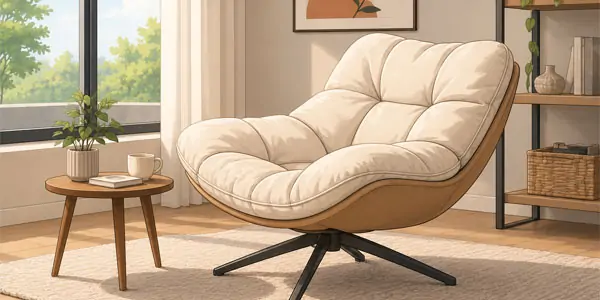
Picture sinking into a deep, plush seat after a long day. That’s the essence of a lounge chair. Its design prioritizes supreme comfort and a reclined posture. You’ll typically find a wide seat, a high back that supports your head, and often padded armrests perfect for resting a cup of tea. The angle encourages you to stretch out, maybe put your feet up on an ottoman, and simply unwind. It’s the ideal spot for a quick nap, watching a movie, or having a leisurely chat. The goal is passive comfort.
The Anatomy of a Reading Chair
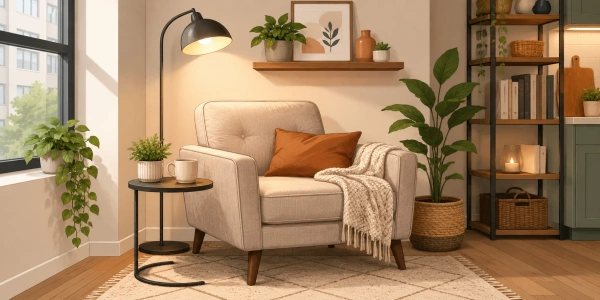
Now, imagine settling in with a great book for a few hours. A proper reading nook chair is engineered for this. It usually has a more upright back to support your spine, promoting better posture. The seat might be firmer to prevent slouching, and the armrests are often at a perfect height to support your elbows while you hold a book or e-reader. Many models, like a classic wingback chair, even have high sides to help block out distractions and create a cozy, enveloping feel. This is all about active comfort—keeping you supported and engaged.
Key Differences: A Side-by-Side Look
To make it crystal clear, let’s break down the main features. The primary distinction lies in posture and support. A lounge chair invites a reclined, sprawling position—great for relaxation but not ideal if you need to stay alert. A reading chair, conversely, offers ergonomic support for an upright, attentive posture, which is crucial for preventing neck and back strain during long reading sessions. Another point is placement: a lounge chair often acts as a statement piece in a living room, while a reading chair is a natural fit for a quiet corner, a home office, or a dedicated library space. When comparing an accent chair vs a task chair, ask yourself: “Do I want to lounge or focus?
Which One Is Your Perfect Match?
So, how do you decide between a comfy chair for relaxing and a supportive chair for reading? It really comes down to your personal habits and the room’s function. Don’t worry, there’s no wrong answer—only the best answer for you. Let’s explore which scenarios call for each type.
When to Choose a Lounge Chair
Choose a lounge chair if your main goal is versatile relaxation. Is your living room the hub for family movie nights? Do you love curling up for an afternoon rest? If so, a lounge chair is your champion. It’s perfect for spaces meant for socializing and casual downtime. I have a friend who swears by her lounge chair for her evening ritual of listening to podcasts—it’s her dedicated zone to decompress. If you’re looking for a living room recliner that invites everyone to sit back and stay awhile, this is the way to go.
When to Choose a Reading Chair
Opt for a reading chair if you have a dedicated hobby or work that requires concentration. Are you an avid bookworm, a puzzle enthusiast, or someone who knits for hours? A supportive armchair is a must. It’s also an excellent addition to a home office as a secondary seat for thinking or taking a break from the desk. The right chair for reading books provides the lumbar support you need to get lost in a story without getting a sore back. For creating that perfect reading nook with just the right lamp nearby, a reading chair is an non-negotiable foundation.
Making Your Final Choice: Our Top Tips
Ready to make a decision? Here’s our friendly advice. First, honestly assess how you’ll use the chair most often. If your activities are split 50/50, consider your space—could you fit both a lounge chair and a library chair in different rooms? Second, never skip the “sit test.” If shopping in person, spend a good five minutes in the chair mimicking your typical activity. For online shopping, read reviews that mention long-term comfort closely. Finally, think about longevity. A well-made chair, whether for lounging or reading, is an investment. Look for quality construction and timeless style. For more on furniture ergonomics, you can check out resources from Humanscale. Remember, the best chair is the one you’ll love using every single day.