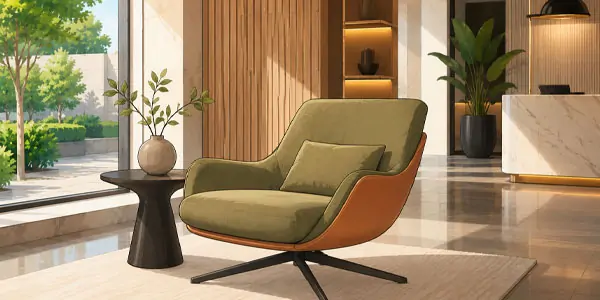
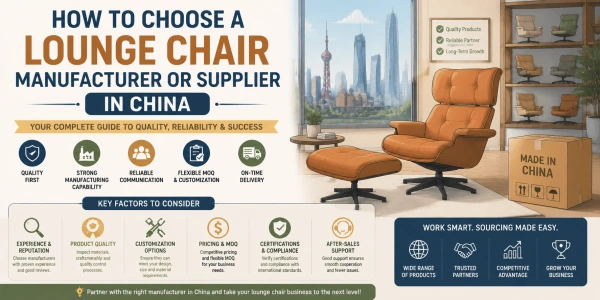
The best answer depends on use case, room size, comfort expectations, material performance, budget, and supplier reliability. For the keyword “how to choose a lounge chair”, buyers should compare the chair’s comfort, dimensions, upholstery, frame, durability, cleaning requirements, and after-sales support before making a decision.
What Top-Ranking Pages Usually Cover
Buying guides ranking on Google usually cover size, fabric, comfort, and room measurement. This article also adds frame quality, supplier choice, wholesale value, MOQ, samples, and inspection. These points are useful, but many pages are still too consumer-focused. A stronger article should also explain product specifications, quality control, customization, wholesale buying, and project use cases where relevant.
Related guide: Comfortable lounge chair – 7 key specs for perfect comfort
Key Factors to Compare
- seat height and depth
- backrest angle
- foam density
- frame strength
- upholstery durability
- room size and layout
These factors help buyers move from a general idea to a clear purchase decision. For example, comfort is affected by seat depth, seat height, back angle, foam density, and armrest position. Durability depends on frame material, leg connection, upholstery quality, stitching, and whether the chair is used at home or in a high-traffic commercial space.
How to Choose the Right Option
Start with the use scenario. A living room lounge chair should match the sofa, rug, side table, and daily relaxation habits. A bedroom chair should be compact, soft, and suitable for reading or dressing. A hotel or waiting area chair should be easy to clean, stable, and consistent across bulk production.
Then check material and construction. Fabric offers warmth and many color choices. Leather and PU leather are easier to wipe and can look premium. Wood frames feel natural, while metal frames can look modern and strong. Outdoor chairs need weather-resistant materials instead of standard indoor upholstery.
Finally, evaluate value instead of only price. A cheaper lounge chair may use lower-density foam, weaker packaging, or lighter frames. For wholesale orders, ask for a sample, written specifications, MOQ, production lead time, inspection standards, and export packaging details.
Buying Checklist
- Define the target room, market, or project use.
- Measure the available space and walking clearance.
- Compare seat height, seat depth, back angle, and cushion support.
- Ask for upholstery details, fabric swatches, or leather specifications.
- Check frame material, leg stability, and weight capacity.
- Confirm MOQ, sample policy, lead time, packaging, and quality inspection for bulk orders.
Related guide: lounge modern chair – lounge modern chair – Buy Smart:…
Understanding Lounge Chair Ergonomics
Ergonomics plays a critical role in how to choose a lounge chair that supports long sitting sessions. The seat height should allow your feet to rest flat on the floor, with knees at a 90-degree angle. A backrest angle between 100 and 120 degrees promotes proper spinal alignment and reduces pressure on the lower back.
Armrest height is equally important. Armrests that are too high can strain shoulders, while low armrests may not provide adequate support. Look for chairs with padded armrests and adjustable features when possible. According to a 2023 study, chairs with optimal ergonomic support reduce musculoskeletal discomfort by up to 40% in daily use.
Foam Density and Cushion Support
Foam density is measured in kilograms per cubic meter (kg/m³). Higher density foam, typically above 30 kg/m³, offers better durability and maintains shape longer. Low-density foam may feel soft initially but can sag within six months of regular use. For commercial applications, choose foam with a density of at least 35 kg/m³ to withstand high-traffic environments.
Frame Construction and Materials
The frame is the backbone of any lounge chair. Solid hardwood frames, such as oak or beech, provide exceptional strength compared to plywood or particleboard. Metal frames made from steel or aluminum offer modern aesthetics and high weight capacity. Always check joint construction—dowel joints and corner blocks indicate superior craftsmanship over simple screws or staples.
Material Performance and Maintenance
Upholstery material directly impacts both comfort and longevity. Fabric options like cotton, linen, or polyester blends offer breathability and a wide range of colors. Leather and PU leather are more resistant to stains and easier to clean, making them ideal for homes with children or pets. For outdoor use, solution-dyed acrylic or polyester fabrics resist fading and mildew.
Maintenance requirements vary by material. Vacuum fabric chairs weekly to remove dust and allergens. Wipe leather with a damp cloth and apply conditioner every six months. Avoid placing lounge chairs in direct sunlight, as UV rays can fade upholstery and weaken frame finishes over time.
Related guide: Discover the 5 Key Factors for Premium Armchair Frame Durability
Wholesale and Bulk Buying Considerations
For business buyers, knowing how to choose a lounge chair for wholesale orders requires additional steps. Request a pre-production sample to verify quality, dimensions, and finish. Confirm the minimum order quantity (MOQ) and production lead time, which typically ranges from 30 to 60 days for custom orders. Ask about inspection standards—many suppliers offer AQL (Acceptable Quality Level) inspection at 2.5% defect rate.
Packaging is another critical factor. Export-grade packaging includes corner protectors, shrink wrap, and sturdy cartons to prevent damage during shipping. Some suppliers also offer custom labeling and logo branding for retail-ready products. Compare total landed cost, including freight, duties, and insurance, before placing a large order.
FAQ
What is the most important thing to check before buying?
The most important thing is whether the chair fits the user and the space. Comfort, proportion, material, and construction should be checked together.
Is a lounge chair suitable for commercial use?
Yes, but commercial use requires stronger durability, easy-clean upholstery, stable frames, and consistent production quality.
How do I measure my space for a lounge chair?
Measure the length and width of the intended area, then add at least 18 inches of clearance around the chair for walking. Consider the chair’s footprint when fully reclined if it has a reclining feature.
What foam density is best for long-term use?
For residential use, foam density of 30-35 kg/m³ is recommended. For commercial use, choose 35-40 kg/m³ to prevent sagging and maintain comfort over years of use.
Conclusion
A good lounge chair should look attractive, feel comfortable, fit the room, and remain durable after long-term use. For business buyers, choosing a reliable lounge chair manufacturer or supplier also improves quality control, customization, and wholesale value. By following the steps outlined in this guide, you can confidently select a lounge chair that meets your specific needs and budget.