Understanding different lounge chair styles helps buyers make informed decisions for both residential and commercial spaces. Whether you are a retailer, interior designer, or wholesale buyer, knowing the characteristics of modern, mid-century, Scandinavian, curved, and accent lounge chairs ensures you select the right options for your target market. This guide breaks down key style features, material choices, and wholesale considerations.
Key Factors to Compare Lounge Chair Styles
When evaluating lounge chair styles, focus on design aesthetics, construction quality, and target applications. Below are the primary styles and their defining traits:
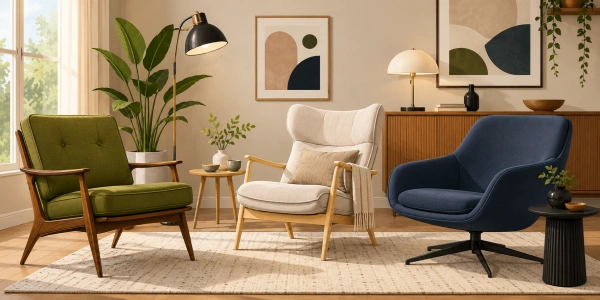
- Modern Style: Clean lines, minimal ornamentation, often uses metal or molded plastic frames. Suitable for contemporary homes and offices.
- Mid-Century Style: Organic shapes, tapered wooden legs, and bold colors. Inspired by 1950s–1960s design. Popular in retro-themed spaces.
- Scandinavian Style: Light wood frames, neutral tones, and ergonomic comfort. Emphasizes simplicity and functionality. Common in residential and hospitality settings.
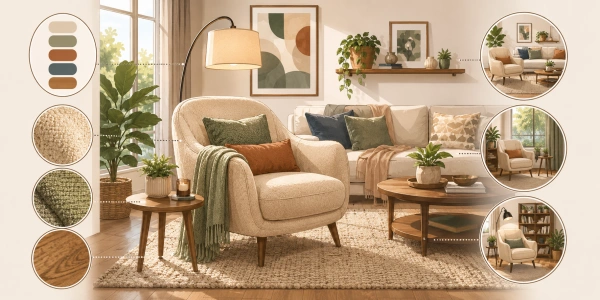
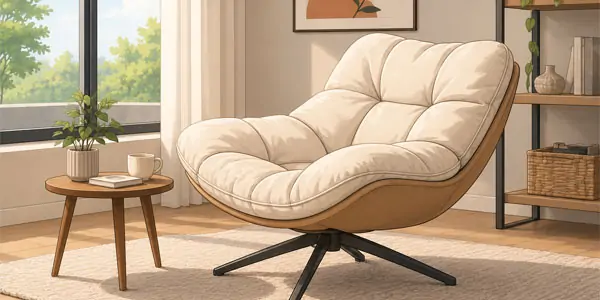
- Curved Chair: Rounded silhouettes, often upholstered in fabric or leather. Provides a soft, inviting look. Ideal for reading nooks or hotel lobbies.
- Accent Chair: A statement piece with unique colors, patterns, or textures. Used to add visual interest to a room. Often paired with sofas or in entryways.
- Barrel Chair: High, rounded back with enclosed arms. Offers a cozy, cocooning feel. Suitable for lounges and waiting areas.
Material and Construction Considerations
These factors help buyers move from a general idea to a clear purchase decision. For example, comfort is affected by seat depth, seat height, back angle, foam density, and armrest position. Durability depends on frame material, leg connection, upholstery quality, stitching, and whether the chair is used at home or in a high-traffic commercial space.
According to industry data, over 40% of commercial lounge chairs fail within two years due to poor frame construction or low-density foam. Investing in kiln-dried hardwood frames and high-resilience foam (density above 30 kg/m³) extends product lifespan significantly.
How to Choose the Right Lounge Chair Style for Your Project
Start with the use scenario. A living room lounge chair should match the sofa, rug, side table, and daily relaxation habits. A bedroom chair should be compact, soft, and suitable for reading or dressing. A hotel or waiting area chair should be easy to clean, stable, and consistent across bulk production.
Matching Style to Target Market
Different lounge chair styles appeal to different customer segments:
- Modern styles attract younger professionals and urban dwellers seeking sleek, space-saving designs.
- Mid-century styles appeal to design enthusiasts and those decorating vintage-inspired homes.
- Scandinavian styles resonate with eco-conscious buyers who value natural materials and minimalist aesthetics.
- Curved and accent chairs are popular in boutique hotels, cafes, and Instagram-worthy interiors.
Then check material and construction. Fabric offers warmth and many color choices. Leather and PU leather are easier to wipe and can look premium. Wood frames feel natural, while metal frames can look modern and strong. Outdoor chairs need weather-resistant materials instead of standard indoor upholstery.
Finally, evaluate value instead of only price. A cheaper lounge chair may use lower-density foam, weaker packaging, or lighter frames. For wholesale orders, ask for a sample, written specifications, MOQ, production lead time, inspection standards, and export packaging details.
Wholesale Buying Considerations for Lounge Chair Styles
When sourcing lounge chair styles in bulk, focus on consistency and customization. Many factories offer options such as:
- Custom fabric or leather: Choose from a range of colors, textures, and durability grades (e.g., Martindale rub count above 40,000 for commercial use).
- Frame modifications: Adjust leg height, armrest width, or back angle to suit specific projects.
- Branding and labeling: Add logo embroidery, metal tags, or custom packaging for retail readiness.
- Quality control: Request pre-shipment inspection reports and photos of production samples.
Project Use Cases for Different Styles
Here are common applications for each lounge chair style:
- Modern lounge chairs: Corporate lobbies, co-working spaces, and contemporary hotel rooms.
- Mid-century lounge chairs: Boutique hotels, retro cafes, and residential living rooms.
- Scandinavian lounge chairs: Spa lounges, waiting areas, and eco-friendly resorts.
- Curved lounge chairs: Reading corners, hotel suites, and wellness centers.
- Accent lounge chairs: Showrooms, photo studios, and luxury retail spaces.
Buying Checklist for Lounge Chair Styles
- Define the target room, market, or project use.
- Measure the available space and walking clearance.
- Compare seat height, seat depth, back angle, and cushion support.
- Ask for upholstery details, fabric swatches, or leather specifications.
- Check frame material, leg stability, and weight capacity.
- Confirm MOQ, sample policy, lead time, packaging, and quality inspection for bulk orders.
Frequently Asked Questions
Q: What is the most important thing to check before buying a lounge chair?
A: The most important thing is whether the chair fits the user and the space. Comfort, proportion, material, and construction should be checked together. For commercial use, also verify foam density and frame durability.
Q: Is a lounge chair suitable for commercial use?
A: Yes, but commercial use requires stronger durability, easy-clean upholstery, stable frames, and consistent production quality. Look for fabrics with high Martindale rub counts and kiln-dried hardwood frames.
Q: Can lounge chairs be customized?
A: Many factories can customize fabric, color, chair legs, cushion firmness, labels, logo branding, and packaging. Larger structural changes may require higher MOQ and longer lead time. Always request a sample before placing a bulk order.
Conclusion
A good lounge chair should look attractive, feel comfortable, fit the room, and remain durable after long-term use. For business buyers, choosing a reliable lounge chair manufacturer or supplier also improves quality control, customization, and wholesale value. By understanding the key differences between lounge chair styles, you can confidently select products that meet market demand and project requirements.