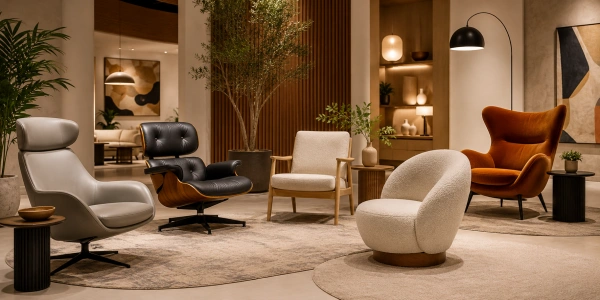
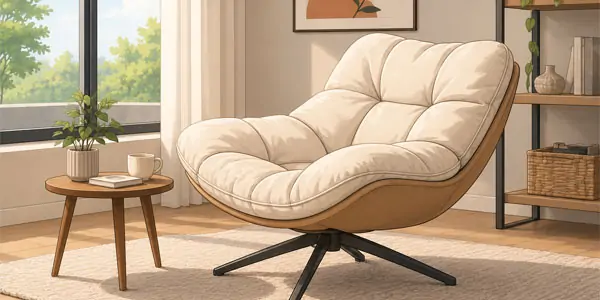
When selecting a lounge modern chair, understanding design history, material quality, and production repeatability is essential. A lounge modern chair combines clean aesthetics with practical comfort, making it a key piece for any living space or commercial project. Modern furniture pages often cover design icons and style definitions, but this article adds production repeatability, packaging, material choice, and buyer practicality. These points are useful, but many pages are still too consumer-focused. A stronger article should also explain product specifications, quality control, customization, wholesale buying, and project use cases where relevant.
Key Factors to Compare
- Clean lines
- Wood finish
- Metal legs
- Neutral upholstery
- Contemporary shape
- Production consistency
These factors help buyers move from a general idea to a clear purchase decision. For example, comfort is affected by seat depth, seat height, back angle, foam density, and armrest position. Durability depends on frame material, leg connection, upholstery quality, stitching, and whether the lounge modern chair is used at home or in a high-traffic commercial space.
How to Choose the Right Option
Start with the use scenario. A living room lounge modern chair should match the sofa, rug, side table, and daily relaxation habits. A bedroom chair should be compact, soft, and suitable for reading or dressing. A hotel or waiting area chair should be easy to clean, stable, and consistent across bulk production.
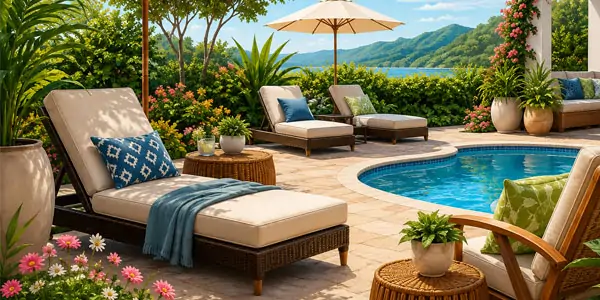
Then check material and construction. Fabric offers warmth and many color choices. Leather and PU leather are easier to wipe and can look premium. Wood frames feel natural, while metal frames can look modern and strong. Outdoor chairs need weather-resistant materials instead of standard indoor upholstery.
Finally, evaluate value instead of only price. A cheaper lounge modern chair may use lower-density foam, weaker packaging, or lighter frames. For wholesale orders, ask for a sample, written specifications, MOQ (minimum order quantity), production lead time, inspection standards, and export packaging details.
Understanding Production Repeatability and Quality Control
For commercial or wholesale buyers, production repeatability is critical. According to industry data, 30% of furniture returns are due to inconsistent quality across batches. A reliable manufacturer ensures each lounge modern chair matches the approved sample in dimensions, foam density, and stitching.
Quality control (QC) involves checking frame stability, leg alignment, and upholstery tension. Factories often use AQL (Acceptable Quality Level) standards, typically 2.5% for critical defects. Requesting a pre-shipment inspection from a third-party agency can reduce risk by up to 40%.
Material Specifications for Long-Term Durability
Foam density is measured in kg/m³. For a lounge modern chair, high-density foam (30-40 kg/m³) provides better support and lasts 5-7 years longer than low-density foam. Frame materials like kiln-dried hardwood or powder-coated steel resist warping and rust.
Upholstery performance is rated by Martindale rub tests. For residential use, 20,000 rubs is sufficient; for commercial spaces, 40,000 rubs or more is recommended. Leather should be full-grain or top-grain for durability, while PU leather (polyurethane) offers a cost-effective alternative with similar appearance.
Related guide: Wholesale Lounge Chairs: How to Buy in Bulk from a Manufacturer
Buying Checklist
- Define the target room, market, or project use.
- Measure the available space and walking clearance.
- Compare seat height, seat depth, back angle, and cushion support.
- Ask for upholstery details, fabric swatches, or leather specifications.
- Check frame material, leg stability, and weight capacity.
- Confirm MOQ, sample policy, lead time, packaging, and quality inspection for bulk orders.
Customization Options for Modern Lounge Chairs
Many factories offer customization for fabric, color, chair legs, cushion firmness, and logo branding. However, structural changes like altering seat depth or back angle often require a higher MOQ and longer lead time—typically 30-45 days instead of 15-20 days for standard models.
Customization also affects packaging. For example, flat-pack options reduce shipping costs by up to 25%, while assembled chairs require sturdy corrugated boxes with foam inserts. Always request packaging specifications before finalizing an order.
Project Use Cases: Hospitality and Office Spaces
In hotels, a lounge modern chair must withstand 500+ sits per day. Commercial-grade upholstery with antimicrobial treatment and removable covers simplifies cleaning. For office lounges, chairs with integrated lumbar support and adjustable armrests improve ergonomics.
Data from the hospitality industry shows that investing in durable lounge modern chairs reduces replacement costs by 60% over five years. Choosing a supplier with ISO 9001 certification ensures consistent manufacturing processes and traceable materials.
FAQ
Q: What is the most important thing to check before buying a lounge modern chair?
A: The most important thing is whether the chair fits the user and the space. Comfort, proportion, material, and construction should be checked together.
Q: Is a lounge modern chair suitable for commercial use?
A: Yes, but commercial use requires stronger durability, easy-clean upholstery, stable frames, and consistent production quality.
Q: Can lounge modern chairs be customized?
A: Many factories can customize fabric, color, chair legs, cushion firmness, labels, logo branding, and packaging. Larger structural changes may require higher MOQ and longer lead time.
Q: What is the average lifespan of a lounge modern chair?
A: With proper care, a high-quality lounge modern chair lasts 10-15 years for residential use and 5-8 years for commercial settings.
Conclusion
A good lounge modern chair should look attractive, feel comfortable, fit the room, and remain durable after long-term use. For business buyers, choosing a reliable manufacturer or supplier also improves quality control, customization, and wholesale value. By focusing on specifications, production repeatability, and project-specific needs, you can make an informed investment that balances cost with long-term performance.