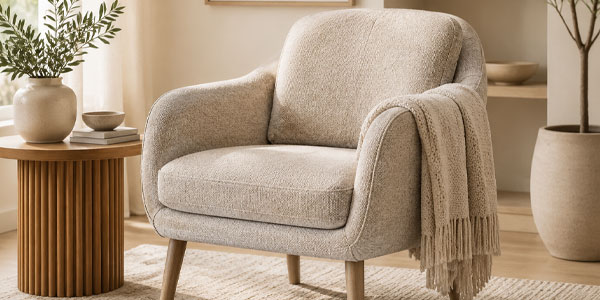
Architectural chair design concepts blend structural integrity with human-centric comfort. This article explores five key principles that transform furniture into a haven of relaxation, focusing on how thoughtful design directly impacts your well-being and daily life.
Exploring Innovative Architectural Chair Design Principles
When we think of a perfect lounge chair, we often picture pure comfort. But have you ever considered the architectural design principles behind it? I like to think of a great chair not just as furniture, but as a miniature building designed for one person. It needs a strong foundation (stability), a thoughtful floor plan (ergonomics), and a beautiful facade (aesthetics). This approach to furniture architecture is what separates a simple seat from a sanctuary. It’s about creating a personal space that supports your body and soothes your mind, using ideas borrowed from the world of buildings and structures.
Where Form Meets Function
The core of any structural seating design is this beautiful marriage. The form—the shape you see—is directly dictated by its function—how you use it. For instance, the gentle curve of a chair’s back isn’t just for looks; it’s engineered to follow the natural “S” curve of your spine. When you’re searching for the best contemporary chair design ideas, look for pieces where every line has a purpose. This philosophy ensures that beauty isn’t skin-deep; it’s built into the very framework of your comfort.
Related guide: Discover the Soothing Appeal of Soft Edge Furniture Design
Concept 1: The Ergonomic Foundation
Let’s start with the most crucial concept: ergonomics. This is the non-negotiable blueprint for comfort. A chair built on solid ergonomic design principles actively reduces physical strain. Think of it as a chair that gives you a hug in all the right places—supporting your lumbar region, cradling your shoulders, and allowing your feet to rest flat. It’s the difference between sitting *on* a chair and sitting *in* it. Many people overlook this, assuming a soft cushion is enough, but true comfort comes from proper skeletal alignment. Resources like Humanscale offer great insights into the science of ergonomic seating.
Concept 2: The Minimalist Skeleton
Inspired by modern architecture, this concept celebrates “less is more.” A minimalist lounge chair design uses clean lines, geometric shapes, and a sense of visual lightness. The structure is often exposed, turning the chair’s frame into a piece of art. Imagine a chair with a sleek cantilevered base—it seems to defy gravity, creating a floating effect that feels incredibly serene. This approach reduces visual clutter, which in turn can make your living space feel more open and peaceful. It’s perfect for anyone asking, “what are some modern architectural chair styles?” that promote a calm, uncluttered environment.
Related guide: Discover the Allure of Monolithic Chair Design Concepts
Concept 3: Biomorphic Forms
Now, let’s soften those lines. Biomorphic design takes cues from nature, using organic, flowing shapes that mimic shells, pebbles, or gentle waves. This concept answers the search for organic shaped chair concepts that feel intuitive and comforting. A chair with a biomorphic form seems to welcome you naturally; there are no harsh angles to negotiate. It creates a cozy, nest-like feeling that encourages you to curl up with a book. This style reminds us that comfort isn’t always about rigid support—sometimes, it’s about being enveloped in a soft, protective form that feels inherently safe and relaxing.
View product: Snail Chair – Unique and Playful Design for Modern Interiors
Concept 4: Modular Adaptability
Our lives and spaces aren’t static, so why should our furniture be? This is where modular chair architecture shines. Think of chairs with adjustable headrests, reclining mechanisms, or even modular units that can be configured in different ways. It’s like having a chair that grows and changes with your needs. Maybe you need upright support for working today and a full recline for napping tomorrow. This concept puts you in control of your comfort, making the chair a dynamic part of your home rather than a fixed object. It’s a brilliant solution for flexible living spaces.
Concept 5: Material Honesty & Texture
The final concept is all about touch and truth. Material honesty in furniture design means letting materials be themselves—showing the grain of real wood, the cool strength of polished metal, or the plush depth of high-quality foam. Texture plays a huge role here. A smooth leather seat feels luxurious and supportive, while a nubby wool fabric feels warm and inviting. Combining materials, like wood with fabric or metal with cane, adds visual interest and tactile pleasure. When choosing, consider how the materials will feel against your skin and how they contribute to the chair’s overall character and durability.
Bringing the Concepts Home
So, how do you choose? My best advice is to think about your daily rituals. Do you need a chair for focused reading (ergonomics and minimalism are key) or for deep relaxation (biomorphic forms win)? Always, *always* try to sit in a chair if you can. Feel how its architectural chair framework supports you. Notice if the materials bring you joy. Remember, the ultimate goal is to find a piece that doesn’t just fill a space in your room but creates a personal retreat tailored just for you. By understanding these core design concepts for chairs, you’re well on your way to making a choice that brings lasting comfort and style into your home.