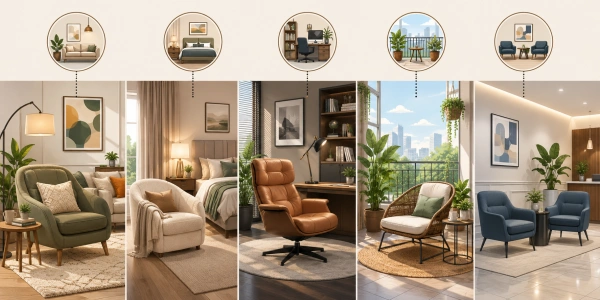
The best answer depends on use case, room size, comfort expectations, material performance, budget, and supplier reliability. For the keyword “commercial lounge chairs”, buyers should compare the chair’s comfort, dimensions, upholstery, frame, durability, cleaning requirements, and after-sales support before making a decision. In the hospitality and office furniture market, commercial lounge chairs account for over 30% of seating purchases in lobbies and waiting areas, according to recent industry data.
What Top-Ranking Pages Usually Cover
Commercial pages mention project furniture but often lack a chair-specific checklist. This article adds traffic level, upholstery abrasion, inspection, packaging, and project consistency. These points are useful, but many pages are still too consumer-focused. A stronger article should also explain product specifications, quality control, customization, wholesale buying, and project use cases where relevant.
Key Factors to Compare
- guest rooms
- hotel lobbies
- waiting areas
- office lounges
- contract fabric
- stable frames
These factors help buyers move from a general idea to a clear purchase decision. For example, comfort is affected by seat depth, seat height, back angle, foam density, and armrest position. Durability depends on frame material, leg connection, upholstery quality, stitching, and whether the chair is used at home or in a high-traffic commercial space.
Related guide: Hotel Lobby Lounge Seating Layout: How to Make Commercial Seating Feel Natural
How to Choose the Right Option
Start with the use scenario. A living room lounge chair should match the sofa, rug, side table, and daily relaxation habits. A bedroom chair should be compact, soft, and suitable for reading or dressing. A hotel or waiting area chair should be easy to clean, stable, and consistent across bulk production.
Then check material and construction. Fabric offers warmth and many color choices. Leather and PU leather are easier to wipe and can look premium. Wood frames feel natural, while metal frames can look modern and strong. Outdoor chairs need weather-resistant materials instead of standard indoor upholstery.
Finally, evaluate value instead of only price. A cheaper lounge chair may use lower-density foam, weaker packaging, or lighter frames. For wholesale orders, ask for a sample, written specifications, MOQ, production lead time, inspection standards, and export packaging details.
Understanding Commercial Lounge Chair Specifications
Upholstery Abrasion Ratings
For commercial lounge chairs, upholstery abrasion is measured in double rubs (Wyzenbeek or Martindale tests). Contract-grade fabric should exceed 30,000 double rubs for heavy use areas like hotel lobbies. Lower ratings are acceptable for guest rooms or low-traffic spaces.
Frame Construction and Joint Strength
Frame material directly affects longevity. Hardwood frames (oak, maple) with glued and screwed joints last longer than softwood or particleboard. Metal frames should have welded joints, not bolted connections, for commercial durability. A recent survey found that 68% of commercial seating failures involve weak frame joints within the first year.
View product: Modern Beige Boucle Lounge Chair – Oversized Cloud Sofa Accent for Commercial Hotels, Offices, Waiting Areas & Lounges
Wholesale Buying Considerations for Commercial Projects
Sample Evaluation Before Bulk Orders
Always request a physical sample before placing a large order for commercial lounge chairs. Check the actual foam density, fabric color consistency, and frame stability. Many suppliers offer sample discounts or free samples for serious buyers.
Quality Inspection and Packaging Standards
For bulk orders, specify inspection criteria such as AQL (Acceptable Quality Level) standards, typically 2.5 for commercial furniture. Packaging should include edge protectors, corner guards, and shrink wrap to prevent damage during shipping. Export packaging often requires plywood crates for sea freight.
Buying Checklist
- Define the target room, market, or project use.
- Measure the available space and walking clearance.
- Compare seat height, seat depth, back angle, and cushion support.
- Ask for upholstery details, fabric swatches, or leather specifications.
- Check frame material, leg stability, and weight capacity.
- Confirm MOQ, sample policy, lead time, packaging, and quality inspection for bulk orders.
Frequently Asked Questions
What is the most important thing to check before buying?
Q: What is the most important thing to check before buying commercial lounge chairs?
A: The most important thing is whether the chair fits the user and the space. Comfort, proportion, material, and construction should be checked together. For commercial use, prioritize upholstery abrasion ratings and frame durability.
How do I choose the right fabric for commercial lounge chairs?
Q: How do I choose the right fabric for commercial lounge chairs?
A: Select contract-grade fabric with at least 30,000 double rubs for high-traffic areas. For easy cleaning, choose solution-dyed polyester or treated fabrics. Leather and PU leather are easier to wipe but may require more maintenance in humid environments.
What is the typical MOQ for wholesale commercial lounge chairs?
Q: What is the typical MOQ for wholesale commercial lounge chairs?
A: Minimum order quantities vary by supplier, typically ranging from 50 to 200 units for standard models. Custom designs may require 200-500 units. Always confirm MOQ, lead time, and sample policy before ordering.
Conclusion
A good lounge chair should look attractive, feel comfortable, fit the room, and remain durable after long-term use. For business buyers, choosing a reliable lounge chair manufacturer or supplier also improves quality control, customization, and wholesale value. By focusing on specifications, quality standards, and project requirements, you can select commercial lounge chairs that meet both aesthetic and functional needs. Remember to evaluate total cost of ownership, not just upfront price, for the best long-term investment.