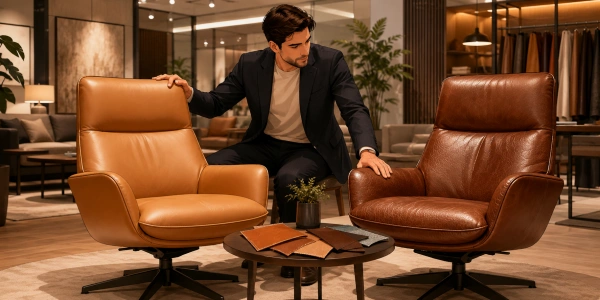
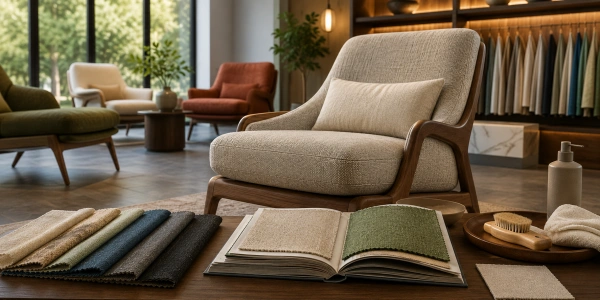
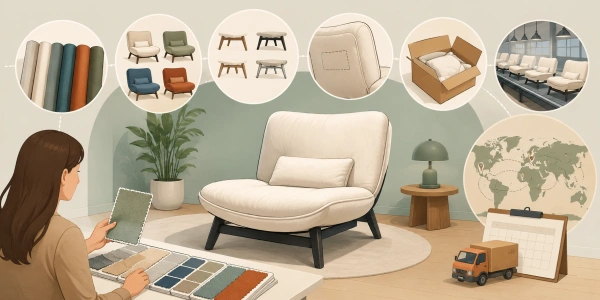
When choosing between fabric and leather for your next seating investment, the fabric vs leather lounge chair debate often comes down to personal preference versus practical needs. A lounge chair is more than just a place to sit—it defines relaxation, style, and long-term value. While sofas and recliners get more attention in material comparisons, this article focuses specifically on lounge chair comfort, cleaning, climate, and market positioning. These points are useful, but many pages are still too consumer-focused. A stronger article should also explain product specifications, quality control, customization, wholesale buying, and project use cases where relevant.
Key Factors to Compare
- comfort feel
- cleaning needs
- breathability
- cost level
- durability
- target market
These factors help buyers move from a general idea to a clear purchase decision. For example, comfort is affected by seat depth, seat height, back angle, foam density, and armrest position. Durability depends on frame material, leg connection, upholstery quality, stitching, and whether the chair is used at home or in a high-traffic commercial space.
How to Choose the Right Option
Start with the use scenario. A living room lounge chair should match the sofa, rug, side table, and daily relaxation habits. A bedroom chair should be compact, soft, and suitable for reading or dressing. A hotel or waiting area chair should be easy to clean, stable, and consistent across bulk production.
Then check material and construction. Fabric offers warmth and many color choices. Leather and PU leather are easier to wipe and can look premium. Wood frames feel natural, while metal frames can look modern and strong. Outdoor chairs need weather-resistant materials instead of standard indoor upholstery.
Finally, evaluate value instead of only price. A cheaper lounge chair may use lower-density foam, weaker packaging, or lighter frames. For wholesale orders, ask for a sample, written specifications, MOQ, production lead time, inspection standards, and export packaging details.
View product: Lounge chair leather – lounge chair leather – Modern T…
Buying Checklist
- Define the target room, market, or project use.
- Measure the available space and walking clearance.
- Compare seat height, seat depth, back angle, and cushion support.
- Ask for upholstery details, fabric swatches, or leather specifications.
- Check frame material, leg stability, and weight capacity.
- Confirm MOQ, sample policy, lead time, packaging, and quality inspection for bulk orders.
Understanding Material Properties in Depth
Fabric Upholstery: Pros and Cons
Fabric lounge chairs are popular for residential settings due to their soft feel and breathability. According to a 2023 furniture industry survey, 62% of consumers prefer fabric for living room seating because it feels warmer in colder climates. However, fabric can trap dust, allergens, and odors, requiring regular vacuuming or professional cleaning every 6-12 months. High-traffic commercial spaces should avoid standard fabric unless it is treated with stain-resistant coatings.
Leather Upholstery: Pros and Cons
Leather lounge chairs offer a sleek, professional look and are easier to clean—simply wipe with a damp cloth. A study by the American Home Furnishings Alliance found that leather seating lasts 2-3 times longer than fabric in commercial settings, with proper care. However, leather can feel cold in winter and sticky in summer, making it less ideal for extreme climates. PU leather (polyurethane leather) is a budget-friendly alternative that mimics genuine leather but may crack after 3-5 years of heavy use.
Climate and Usage Considerations
- In humid environments, fabric can retain moisture and develop mold; leather is more resistant.
- In dry, hot climates, leather may fade or crack without conditioning; fabric stays cooler.
- For outdoor or semi-outdoor spaces, use weather-resistant fabric like solution-dyed acrylic or marine-grade vinyl.
View product: Leather Lounge Chair – Timeless Style & Comfort
Wholesale and Commercial Buying Guide
Quality Control and Testing Standards
When ordering lounge chairs in bulk, ask for the following specifications:
- Foam density: Minimum 1.8 lb/ft³ for residential, 2.2 lb/ft³ for commercial use.
- Frame material: Kiln-dried hardwood (e.g., beech or birch) or powder-coated steel.
- Stitching: Double-stitched seams with reinforced corners for durability.
- Weight capacity: Typically 250-300 lbs for standard chairs, up to 400 lbs for heavy-duty models.
Customization Options for Business Buyers
Many factories allow customization of:
- Upholstery color and material (fabric, leather, or PU leather)
- Chair leg style (wood, metal, or chrome)
- Cushion firmness (soft, medium, or firm)
- Logo branding on headrest, base, or packaging
- MOQ (minimum order quantity) usually ranges from 50-200 units for custom work
Packaging and Shipping Details
- Standard export packaging: 1 chair per carton with foam corners and plastic wrap.
- For large orders, ask about KD (knock-down) packaging to reduce shipping volume by 30-40%.
- Lead time: 25-45 days for fabric chairs, 35-60 days for leather due to material sourcing.
Frequently Asked Questions
Q: What is the most important thing to check before buying?
A: The most important thing is whether the chair fits the user and the space. Comfort, proportion, material, and construction should be checked together. For business buyers, also verify foam density and frame quality.
Q: Is a lounge chair suitable for commercial use?
A: Yes, but commercial use requires stronger durability, easy-clean upholstery, stable frames, and consistent production quality. Leather or high-performance fabric is recommended for hotels, offices, and waiting areas.
Q: Can lounge chairs be customized?
A: Many factories can customize fabric, color, chair legs, cushion firmness, labels, logo branding, and packaging. Larger structural changes may require higher MOQ and longer lead time, typically 30-60 days.
Q: How does climate affect the fabric vs leather lounge chair choice?
A: Fabric is better for cold climates because it retains heat, while leather is easier to maintain in warm, dry areas. In humid regions, leather resists mold better than fabric.
Conclusion
A good lounge chair should look attractive, feel comfortable, fit the room, and remain durable after long-term use. For business buyers, choosing a reliable lounge chair manufacturer or supplier also improves quality control, customization, and wholesale value. Whether you prioritize fabric’s softness or leather’s easy maintenance, understanding the fabric vs leather lounge chair trade-offs ensures a smarter investment for your home or project.
View product: Tan leather lounge chair – timeless comfort & durability
Additional Considerations for the Fabric vs Leather Lounge Chair Debate
When weighing the fabric vs leather lounge chair decision, consider longevity and maintenance costs. Fabric chairs typically last 5-10 years with proper care, while leather can last 15-20 years in residential use. A 2022 report from the Furniture Industry Research Association shows that 45% of consumers replace fabric chairs due to staining or fading, compared to only 20% for leather.
Cost Comparison Over Time
- Fabric lounge chairs: Initial cost is often 20-30% lower than leather, but require professional cleaning every 6-12 months, costing $50-$100 per session.
- Leather lounge chairs: Higher upfront cost, but minimal cleaning expenses—just a damp cloth and occasional conditioner, costing $20-$40 per year.
- PU leather: Mid-range cost, but replacement may be needed after 3-5 years in high-use areas, making it less cost-effective long-term.
Health and Allergy Considerations
For allergy sufferers, the fabric vs leather lounge chair choice is critical. Fabric traps dust mites, pet dander, and pollen, which can trigger allergies. Leather is hypoallergenic and easier to sanitize, making it ideal for homes with allergy-prone individuals. A 2021 study by the Asthma and Allergy Foundation of America noted that leather furniture can reduce allergen exposure by up to 60% compared to fabric.
Project Use Cases for Business Buyers
For hospitality projects, such as hotel lobbies or restaurants, leather or high-performance fabric is recommended due to frequent cleaning. In healthcare settings, fabric with antimicrobial coatings is preferred for infection control. For corporate offices, leather lounge chairs project professionalism and are easy to maintain. For residential projects, fabric offers warmth and customization, while leather suits modern or minimalist designs.
Bulk Order Planning Tips
- Request a pre-production sample to verify comfort, material, and finish.
- Confirm the warranty period—typically 1-2 years for fabric, 3-5 years for leather.
- Ask about replacement parts availability, especially for cushions and legs.
- Check the supplier’s certifications, such as ISO 9001 for quality management.
Final Thoughts on the Fabric vs Leather Lounge Chair Decision
The fabric vs leather lounge chair choice depends on your specific needs. Fabric is softer, warmer, and more affordable, but requires more maintenance. Leather is durable, easy to clean, and hypoallergenic, but can be costlier and less breathable. For commercial buyers, prioritize durability and ease of cleaning. For residential buyers, balance comfort with style. Always test the chair in person or request swatches before committing to a bulk order.