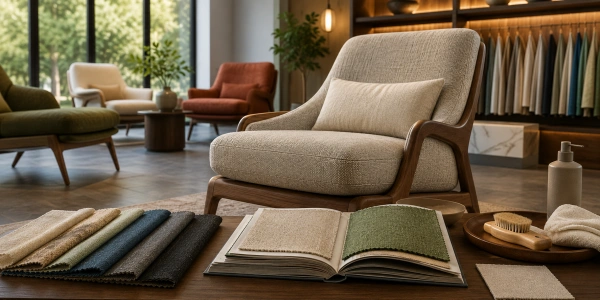
Understanding how to maintain a lounge chair is essential for preserving its appearance and durability across different materials. This guide covers fabric, leather, velvet, boucle, wood, and metal care while also addressing product specifications, quality control, customization, and wholesale buying for both consumers and business buyers.
Key Factors to Compare
- Fabric care
- Leather care
- Velvet care
- Boucle care
- Wood frame
- Metal legs
These factors help buyers move from a general idea to a clear purchase decision. Comfort is affected by seat depth, seat height, back angle, foam density, and armrest position. Durability depends on frame material, leg connection, upholstery quality, stitching, and whether the chair is used at home or in a high-traffic commercial space.
How to Choose the Right Option
Start with the use scenario. A living room lounge chair should match the sofa, rug, side table, and daily relaxation habits. A bedroom chair should be compact, soft, and suitable for reading or dressing. A hotel or waiting area chair should be easy to clean, stable, and consistent across bulk production.
Then check material and construction. Fabric offers warmth and many color choices. Leather and PU leather are easier to wipe and can look premium. Wood frames feel natural, while metal frames can look modern and strong. Outdoor chairs need weather-resistant materials instead of standard indoor upholstery.
Finally, evaluate value instead of only price. A cheaper lounge chair may use lower-density foam, weaker packaging, or lighter frames. For wholesale orders, ask for a sample, written specifications, MOQ, production lead time, inspection standards, and export packaging details.
Buying Checklist
- Define the target room, market, or project use.
- Measure the available space and walking clearance.
- Compare seat height, seat depth, back angle, and cushion support.
- Ask for upholstery details, fabric swatches, or leather specifications.
- Check frame material, leg stability, and weight capacity.
- Confirm MOQ, sample policy, lead time, packaging, and quality inspection for bulk orders.
Material-Specific Maintenance Tips
Fabric Lounge Chairs
Fabric is the most common upholstery. It is soft and available in many colors. Vacuum weekly to remove dust. Spot clean spills immediately with a mild detergent. Use a fabric protector spray to resist stains. Most fabric chairs have a cleaning code (W, S, or WS). Check the label before cleaning.
Leather Lounge Chairs
Leather is durable and easy to clean. Wipe with a damp cloth weekly. Use a leather conditioner every 6 months to prevent cracking. Avoid direct sunlight to stop fading. For spills, blot immediately with a dry cloth. Do not use harsh chemicals or abrasive cleaners.
Velvet and Boucle Lounge Chairs
Velvet requires gentle care. Use a soft brush to lift the pile. Avoid water as it can leave marks. Boucle is textured and can trap dust. Vacuum with a soft brush attachment. Spot clean with a dry cleaning solvent if needed. Both materials benefit from professional cleaning once a year.
Wood Frame Maintenance
Wood frames add warmth but need protection. Dust regularly with a microfiber cloth. Use a wood polish every 3 months. Keep away from heat sources and moisture to prevent warping. For scratches, use a wood touch-up marker. Tighten screws annually to maintain stability.
Metal Legs and Frames
Metal is strong but can rust. Wipe with a damp cloth and dry immediately. Use a metal polish for shine. Check for loose bolts every 6 months. For outdoor chairs, choose powder-coated or stainless steel to resist corrosion.
Maintenance Frequency Checklist
- Weekly: Vacuum fabric, wipe leather, dust wood.
- Monthly: Check screws and joints on frames.
- Every 3 months: Polish wood and condition leather.
- Annually: Professional cleaning for velvet and boucle.
According to a 2023 furniture care survey, proper maintenance can extend a lounge chair’s life by up to 40%. Regular cleaning also preserves resale value. Studies show that well-maintained chairs retain 60-70% of their original value after 5 years, compared to 30% for neglected ones.
Why Consistent Maintenance Matters
Regular care is key to how to maintain a lounge chair effectively. Without it, dust and dirt can degrade fibers over time. Leather can crack if not conditioned. Wood can warp from moisture. Metal can rust from neglect. Simple weekly habits prevent costly repairs. Knowing how to maintain a lounge chair properly can save you up to 50% in replacement costs over a decade.
Common Mistakes to Avoid
- Using bleach or harsh chemicals on any material.
- Rubbing spills vigorously, which spreads stains.
- Placing chairs near radiators or in direct sunlight.
- Skipping professional cleaning for delicate fabrics.
- Ignoring loose screws or wobbly frames.
FAQ
What is the most important thing to check before buying?
The most important thing is whether the chair fits the user and the space. Comfort, proportion, material, and construction should be checked together.
Is a lounge chair suitable for commercial use?
Yes, but commercial use requires stronger durability, easy-clean upholstery, stable frames, and consistent production quality.
Can lounge chairs be customized?
Many factories can customize fabric, color, chair legs, cushion firmness, labels, logo branding, and packaging. Larger structural changes may require higher MOQ and longer lead time.
Q: How often should I clean my lounge chair?
A: Vacuum fabric weekly. Wipe leather and metal monthly. Deep clean fabric every 6 months. Condition leather every 3 months.
Q: What is the best way to remove stains from a fabric lounge chair?
A: Blot spills immediately with a clean cloth. Use a mild detergent and warm water. Test on a hidden area first. For stubborn stains, use a professional upholstery cleaner.
Q: Can I use bleach on my lounge chair fabric?
A: No. Bleach can damage fabric fibers and cause discoloration. Always use a gentle cleaner designed for upholstery.
Q: What is the most common mistake in how to maintain a lounge chair?
A: The most common mistake is using harsh chemicals or scrubbing stains vigorously. This damages fibers and spreads dirt. Always blot and use gentle cleaners.
Conclusion
A good lounge chair should look attractive, feel comfortable, fit the room, and remain durable after long-term use. For business buyers, choosing a reliable lounge chair manufacturer or supplier also improves quality control, customization, and wholesale value. Remember that how to maintain a lounge chair is not just about cleaning—it is about preserving your investment for years to come. By following this guide on how to maintain a lounge chair, you can enjoy its beauty and comfort for decades. Consistent care, including weekly vacuuming and seasonal conditioning, ensures your chair stays in prime condition and retains its value over time. Proper understanding of how to maintain a lounge chair will also help you avoid costly repairs and extend its lifespan significantly.