Ever wondered why sinking into a memory foam lounge chair feels so uniquely relaxing? It’s not magic—it’s science and smart design working together. This guide breaks down the secrets behind that cloud-like comfort, from pressure-relieving materials to ergonomic support, helping you understand exactly what makes these chairs a haven for relaxation.
The Science of Support: How Memory Foam Cradles Your Body
Let’s start with the heart of the matter. The exceptional comfort of a **memory foam recliner** comes from its core material. Unlike traditional spring or standard foam cushions, memory foam is a viscoelastic polyurethane. In simpler terms, it’s pressure-sensitive and temperature-sensitive. When you sit down, your body heat softens the foam precisely where you apply pressure, allowing it to mold to your unique shape. This process, often called body contouring, is the key to explaining memory foam comfort.
What Makes It “Memory” Foam?
You might notice it doesn’t spring back immediately like other foams. That’s its “memory” at work! It slowly returns to its original shape once the pressure (you getting up) is removed. This gradual response is what distributes your weight evenly, eliminating painful pressure points on your hips, tailbone, and shoulders. It’s like the chair gives you a gentle, full-body hug. For a deeper dive into the material science, resources like the Sleep Foundation offer great insights on how viscoelastic foam functions in sleep products, and the principles are very similar for seating.
Beyond the Basic Cushion: Key Comfort Features Explained
Understanding **how a memory foam chair works** involves more than just the foam itself. Modern lounge chairs combine this smart material with thoughtful design. Look for features like high-resilience foam layers beneath the memory foam for lasting support, and a sturdy frame that dictates the chair’s recline angles and overall posture. The combination is what creates that perfect **lounging experience**—soft where you want it, supportive where you need it.
Density & Firmness: The Support Duo
These two terms are often confused! Density (measured in pounds per cubic foot, or PCF) refers to the material’s weight and durability. Higher density foam generally lasts longer and offers deeper contouring. Firmness is how soft or hard the foam feels initially. A chair can have high-density but medium firmness, providing durable yet plush comfort. When considering **ergonomic lounge chair comfort**, you often want a balance: enough firmness to support your spine and enough softness to relieve pressure.
The Art of Contouring and Recovery
This is where the magic happens for all-day relaxation. Good **contouring foam** will nestle your body without letting you sink in too deeply, which can make it hard to get up. The foam’s recovery rate—how quickly it bounces back—is crucial. Too fast, and you lose the pressure relief. Too slow, and you might feel stuck. The best chairs for **pressure relief seating** find a perfect middle ground, offering a “slow sink” that feels luxurious and supportive.
Finding Your Perfect Chair: A Practical Guide
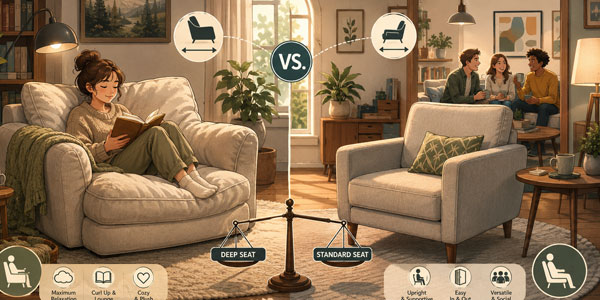
Now that we’ve unpacked the **benefits of memory foam chairs**, how do you choose one? Think about your primary use. Is it for reading, napping, or maybe gaming? For longer sessions, prioritize lumbar support and a headrest. Pay attention to the chair’s dimensions and the seat depth—your feet should rest flat on the floor when sitting upright. Don’t just go by looks; read reviews that mention long-term comfort. A friend of mine learned this the hard way after buying a chair that was cozy for 20 minutes but caused backache an hour in. Testing in-store is ideal, but if you’re shopping online, look for detailed specs on foam density and return policies.
Keeping the Comfort Alive: Caring for Your Chair
To ensure your **comfortable recliner chair** stays that way for years, a little care goes a long way. Regularly fluff and rotate any removable cushions to ensure even wear. Use a vacuum with an upholstery attachment to keep dust and crumbs from settling into the foam. Avoid placing your chair in direct sunlight or near heat sources, as excessive heat can break down the foam over time. For spills, always check the manufacturer’s cleaning guide. Most importantly, give the foam time to “breathe” and return to its shape—so try not to leave heavy objects on it for extended periods. With proper care, the **luxury of a memory foam lounge chair** will be a part of your home for a long, long time.