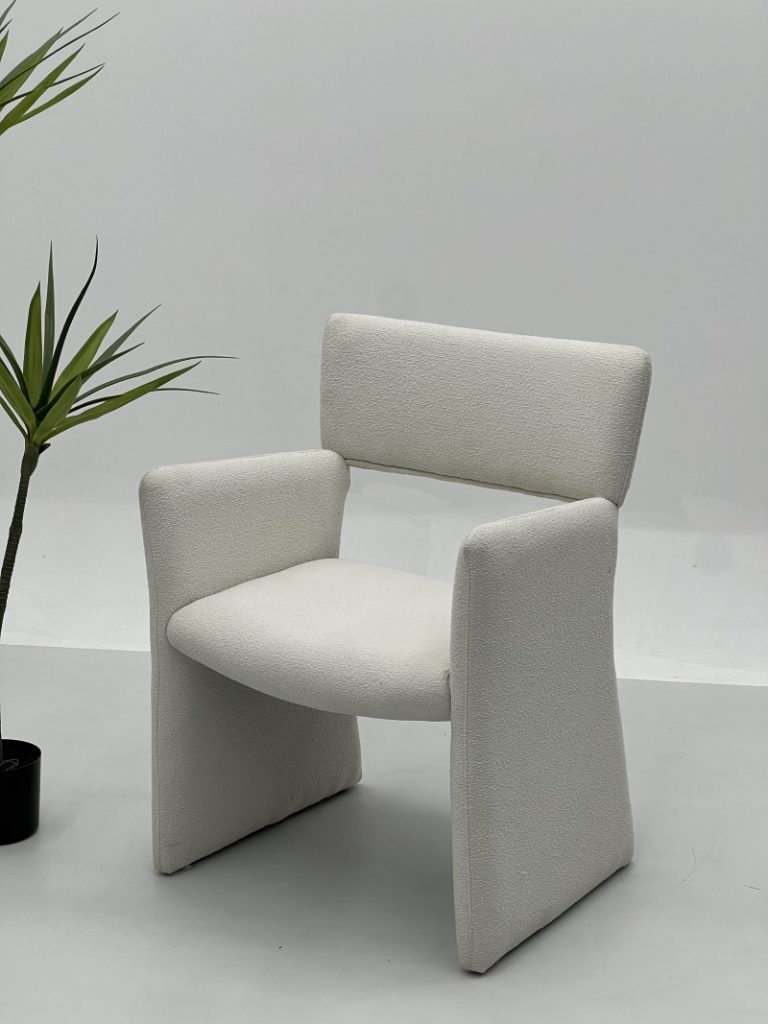
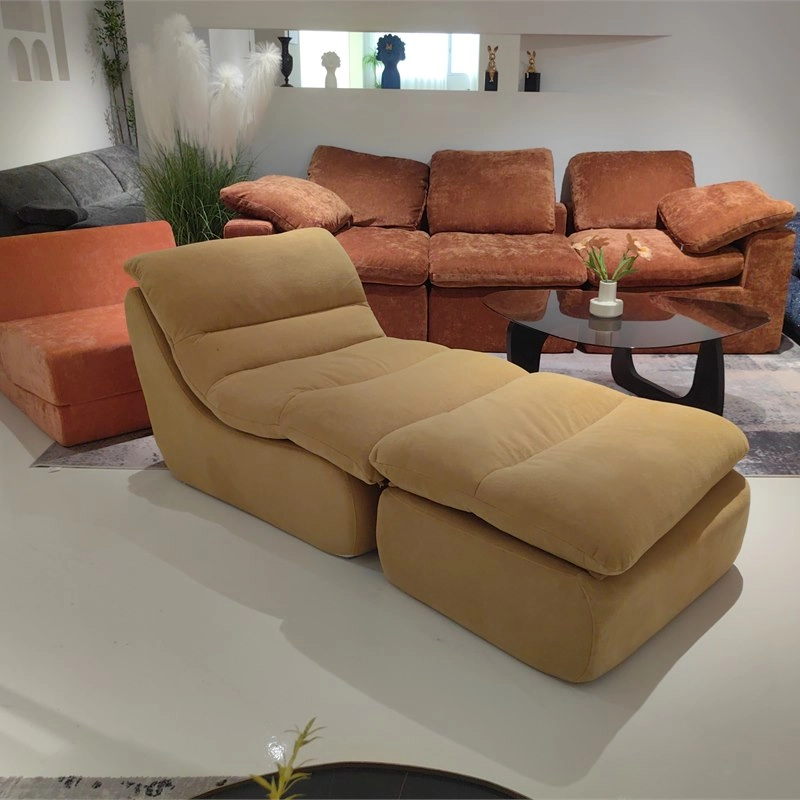
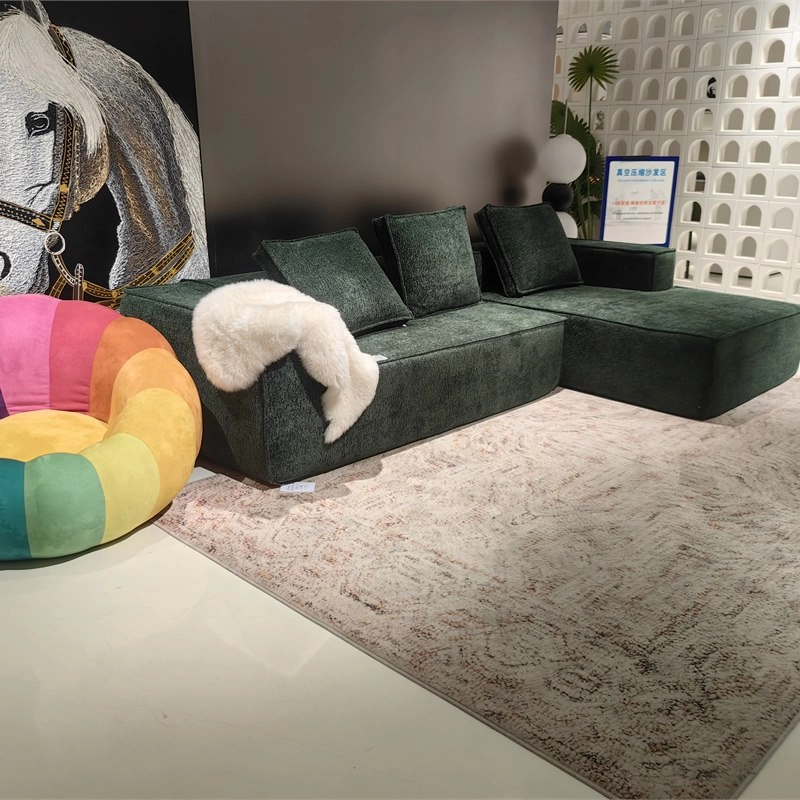
A practical chair seat height is usually 16 to 20 inches (41 to 51 cm), but the correct number depends on the chair type, table height, user height and how easily the sitter needs to stand. Dining chairs commonly sit around 17 to 19 inches, while lounge chairs may be lower and task or vanity chairs must align with the surface in front of them.
Choose a Guide by Chair Type
Select the chair you are measuring. Each guide applies the general height rules to a specific room, surface or sitting position.
Chair Seat Height at a Glance
| Chair type | Typical seat height | Primary fit check |
|---|---|---|
| Dining chair | 17–19 in / 43–48 cm | About 10–12 in below the tabletop |
| Lounge or accent chair | 15–18 in / 38–46 cm | Feet supported and knees comfortable |
| Reading chair | 16–19 in / 41–48 cm | Easy posture changes during longer sitting |
| Recliner | 17–20 in / 43–51 cm | Stable standing before the footrest opens |
| Vanity or desk chair | 17–21 in / 43–53 cm | Elbow and knee clearance at the work surface |
These are starting ranges rather than universal rules. Thick cushions compress under body weight, so compare both the unloaded measurement and the sitting height.
What Chair Seat Height Actually Measures
Measure vertically from the finished floor to the highest usable point at the front-center of the seat. Do not measure to a loose cushion edge that sits above the load-bearing surface. For a soft upholstered chair, record the uncompressed height, then sit normally and note how far the cushion settles. This second number often explains why two chairs with identical catalog dimensions feel different.
Floor protectors, glides and thick rugs can alter the effective height. When comparing samples for a hotel, restaurant or residential project, test every chair on the intended floor finish.
How to Match Seat Height to the User
Feet and knee position
With the sitter’s back supported, both feet should rest securely on the floor. Knees should feel neutral rather than being pushed sharply upward or left hanging below the hips. A seat that is too high can press into the underside of the thighs; a seat that is too low increases the effort required to stand.
Easy sitting and standing
Taller seats, firm front edges and supportive arms usually make transfers easier. This is especially relevant for older users and anyone with limited lower-body strength. The recliner chair seat height guide explains how seat height works with arm support and footrest clearance.
Seat depth changes the result
Height cannot be judged alone. A deep seat may prevent a shorter user from reaching the backrest while keeping both feet down. Test depth and height together, and include a lumbar cushion only if it will remain part of daily use.
Dining Chair Height and Table Clearance
Most dining setups need roughly 10 to 12 inches (25 to 30 cm) between the seat surface and the underside of the tabletop. Aprons, rails and thick table edges reduce usable knee room, so measure the underside rather than relying on the published table height. See the dining chair seat height guide for table clearance, cushion compression and upholstery checks.
Lounge and Reading Chair Height
Lounge seating is often lower because the body is intended to recline. A lower seat can feel relaxed, but it should still allow the user to rise without pulling on nearby furniture. Reading chairs need enough height to reposition the feet and maintain arm support over a longer session. Compare the seat with the reading chair seat height guide and use the lounge chair dimensions guide to check width, depth and room clearance.
How Cushion Construction Affects Height
High-resilience foam generally holds its working height better than very soft low-density foam. Down blends and loose fiber wraps feel plush but compress more and may require regular reshaping. Webbing or spring suspension also contributes to total sink. Buyers comparing production samples should request foam density, firmness, cushion thickness and suspension details instead of approving seat height from a drawing alone.
Measurement Checklist for Buyers
- Measure floor to front-center of the seat.
- Record both unloaded and occupied height.
- Check seat depth, back angle and arm height at the same time.
- Confirm rug thickness and final floor glides.
- For tables, measure to the lowest obstruction underneath.
- Test the shortest and tallest expected users.
- For repeat orders, define an acceptable finished-height tolerance.
Commercial buyers can browse the current seating collection or request chair dimensions and custom specifications before approving a sample.
Conclusion
The normal chair seat height range is useful for screening products, but comfort depends on the complete geometry of the chair. Measure the occupied height, pair it with seat depth and back angle, and test it against the real user and surrounding furniture.
FAQ
What is the standard chair seat height?
Most adult chairs fall between 16 and 20 inches (41 to 51 cm), with dining chairs commonly between 17 and 19 inches.
How tall should a chair be for a 30-inch table?
A seat around 18 inches is a common starting point, provided there is about 10 to 12 inches of clear space below the tabletop.
Is a higher chair easier to stand from?
Usually yes, particularly when the cushion is firm and the arms provide stable support, but the user’s leg length still matters.
Should seat height be measured with the cushion compressed?
Record both measurements. The compressed sitting height is more representative of real comfort, while the unloaded height helps compare specifications.