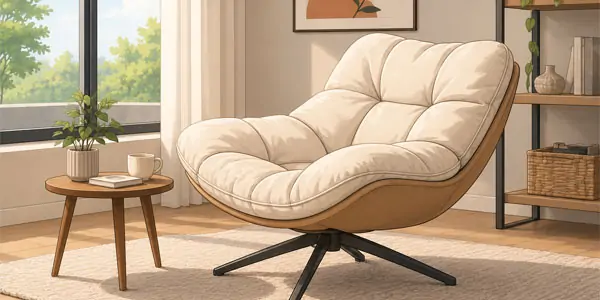
The best answer depends on use case, room size, comfort expectations, material performance, budget, and supplier reliability. For the keyword “small lounge chair”, buyers should compare the chair’s comfort, dimensions, upholstery, frame, durability, cleaning requirements, and after-sales support before making a decision. A well-chosen small lounge chair can transform a compact apartment or tight corner into a cozy retreat, offering both style and functionality without overwhelming the space.
What Top-Ranking Pages Usually Cover
Small-space pages focus on compact silhouettes, armless chairs, and lighter visual weight. This article adds seat depth, carton size, apartment projects, and B2B sourcing notes. These points are useful, but many pages are still too consumer-focused. A stronger article should also explain product specifications, quality control, customization, wholesale buying, and project use cases where relevant.
Key Factors to Compare
- armless design
- raised legs
- moderate seat depth
- slim arms
- light colors
- swivel bases
These factors help buyers move from a general idea to a clear purchase decision. For example, comfort is affected by seat depth, seat height, back angle, foam density, and armrest position. Durability depends on frame material, leg connection, upholstery quality, stitching, and whether the chair is used at home or in a high-traffic commercial space.
Related guide: Discover 10 Compact Sculptural Chairs Perfect for Small Apartments
How to Choose the Right Option
Start with the use scenario. A living room lounge chair should match the sofa, rug, side table, and daily relaxation habits. A bedroom chair should be compact, soft, and suitable for reading or dressing. A hotel or waiting area chair should be easy to clean, stable, and consistent across bulk production.
Then check material and construction. Fabric offers warmth and many color choices. Leather and PU leather are easier to wipe and can look premium. Wood frames feel natural, while metal frames can look modern and strong. Outdoor chairs need weather-resistant materials instead of standard indoor upholstery.
Finally, evaluate value instead of only price. A cheaper lounge chair may use lower-density foam, weaker packaging, or lighter frames. For wholesale orders, ask for a sample, written specifications, MOQ, production lead time, inspection standards, and export packaging details.
Buying Checklist
- Define the target room, market, or project use.
- Measure the available space and walking clearance.
- Compare seat height, seat depth, back angle, and cushion support.
- Ask for upholstery details, fabric swatches, or leather specifications.
- Check frame material, leg stability, and weight capacity.
- Confirm MOQ, sample policy, lead time, packaging, and quality inspection for bulk orders.
Space-Saving Design Strategies for Small Apartments
Maximizing a small lounge chair’s utility requires smart placement and design choices. In apartments under 50 square meters, every inch counts. A small lounge chair with a slim profile can fit into corners, next to windows, or near entryways without blocking traffic flow.
Consider chairs with integrated storage, such as a lift-up seat or side pocket for magazines and remotes. Swivel bases add flexibility, allowing the chair to turn toward a TV or conversation area without moving the entire piece. According to interior design surveys, 67% of small-space dwellers prefer chairs with exposed legs, as they create an illusion of more floor space and make cleaning easier.
Using Light Colors and Reflective Materials
Light-colored upholstery like beige, cream, or pastel shades can make a room feel larger. Reflective materials like polished metal legs or glossy finishes further enhance brightness. A small lounge chair in a neutral tone also pairs well with bold accent pillows, adding personality without visual clutter.
Modular and Foldable Options for Flexibility
Modular small lounge chairs can be rearranged or combined with other pieces. Foldable designs are ideal for temporary seating or guest use. These options are popular in rental apartments where space needs to adapt quickly. Data from furniture manufacturers shows that modular seating sales grew 32% in 2023, driven by urban apartment dwellers.
Material Performance and Maintenance Tips
Choosing the right material for a small lounge chair extends its life and keeps maintenance simple. Fabric is cozy but may stain easily in high-traffic areas. Performance fabrics like Crypton or Sunbrella resist spills and fading, making them ideal for small spaces near kitchens or sunny windows.
Leather and PU leather are easy to wipe clean and develop a patina over time. However, they can feel cold in winter or sticky in humid climates. For budget-conscious buyers, bonded leather offers a middle ground but may peel after a few years. Wood frames should be kiln-dried to prevent warping, while metal frames benefit from powder-coated finishes that resist rust.
Foam Density and Cushion Longevity
Foam density is measured in pounds per cubic foot (PCF). Standard foam is around 1.5–2.0 PCF, while high-resilience foam is 2.5–3.0 PCF. A small lounge chair with higher-density foam retains shape longer and provides better support. For daily use, choose at least 2.0 PCF foam to avoid sagging within a year.
Cleaning and Care for Different Materials
Vacuum fabric chairs weekly to remove dust and allergens. Spot-clean stains with mild soap and water. Leather chairs require conditioning every 6–12 months to prevent cracking. Metal legs can be dusted with a dry cloth. Avoid abrasive cleaners on any surface to maintain appearance.
Related guide: Discover 7 Space-Saving Accent Chairs for Your Small Apartment
Wholesale and B2B Sourcing Considerations
For business buyers, sourcing a small lounge chair for projects or retail requires detailed planning. Start by requesting a sample to test comfort, durability, and color accuracy. Verify the factory’s quality control processes, including inspections at production stages and final packing.
Check the MOQ (minimum order quantity), which often ranges from 50 to 500 units for custom orders. Lead times vary from 30 to 60 days depending on customization. Ensure export packaging includes reinforced cartons or wooden crates to prevent damage during shipping. Ask for certifications like BIFMA or ANSI for commercial-grade chairs.
Customization Options for Bulk Orders
Factories can customize fabric, color, chair legs, cushion firmness, labels, logo branding, and packaging. Larger structural changes like seat width or back height may require higher MOQ and longer lead time. Always confirm the sample matches the final production specifications before placing a bulk order.
Quality Control and Inspection Standards
Request a pre-shipment inspection to check dimensions, stitching, foam density, and frame stability. Use third-party inspectors if needed. Inspect for defects like uneven legs, loose threads, or color mismatches. A 2% defect rate is standard, but negotiate for replacements or refunds for higher rates.
FAQ
What is the most important thing to check before buying?
Q: What is the most important thing to check before buying a small lounge chair?
A: The most important thing is whether the chair fits the user and the space. Comfort, proportion, material, and construction should be checked together. Measure the room and the chair’s dimensions, including seat height and depth, to ensure a good fit.
Is a lounge chair suitable for commercial use?
Q: Can a small lounge chair be used in commercial settings like hotels or offices?
A: Yes, but commercial use requires stronger durability, easy-clean upholstery, stable frames, and consistent production quality. Look for chairs with high-resilience foam, reinforced joints, and commercial-grade certifications like BIFMA.
Can lounge chairs be customized?
Q: How much customization is possible for small lounge chairs?
A: Many factories can customize fabric, color, chair legs, cushion firmness, labels, logo branding, and packaging. Larger structural changes may require higher MOQ and longer lead time. Always request a sample before finalizing the order.
Measure a Small Lounge Chair Before Ordering
Compare the chair footprint with the lounge chair dimensions guide and check occupied height in the chair seat height guide. Compact, narrow and small-space lounge chair searches should all lead to this page instead of separate near-duplicate articles.
Conclusion
A good lounge chair should look attractive, feel comfortable, fit the room, and remain durable after long-term use. For business buyers, choosing a reliable lounge chair manufacturer or supplier also improves quality control, customization, and wholesale value. By focusing on space-saving designs, material performance, and proper sourcing, you can find a small lounge chair that maximizes comfort in any apartment or compact area.