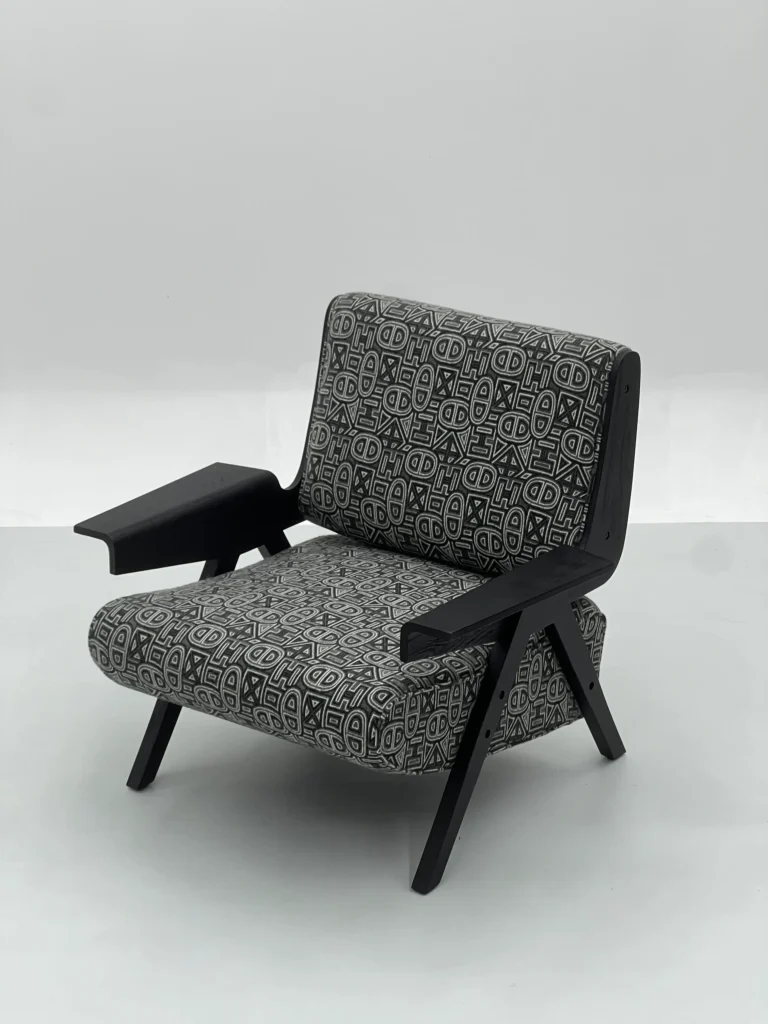
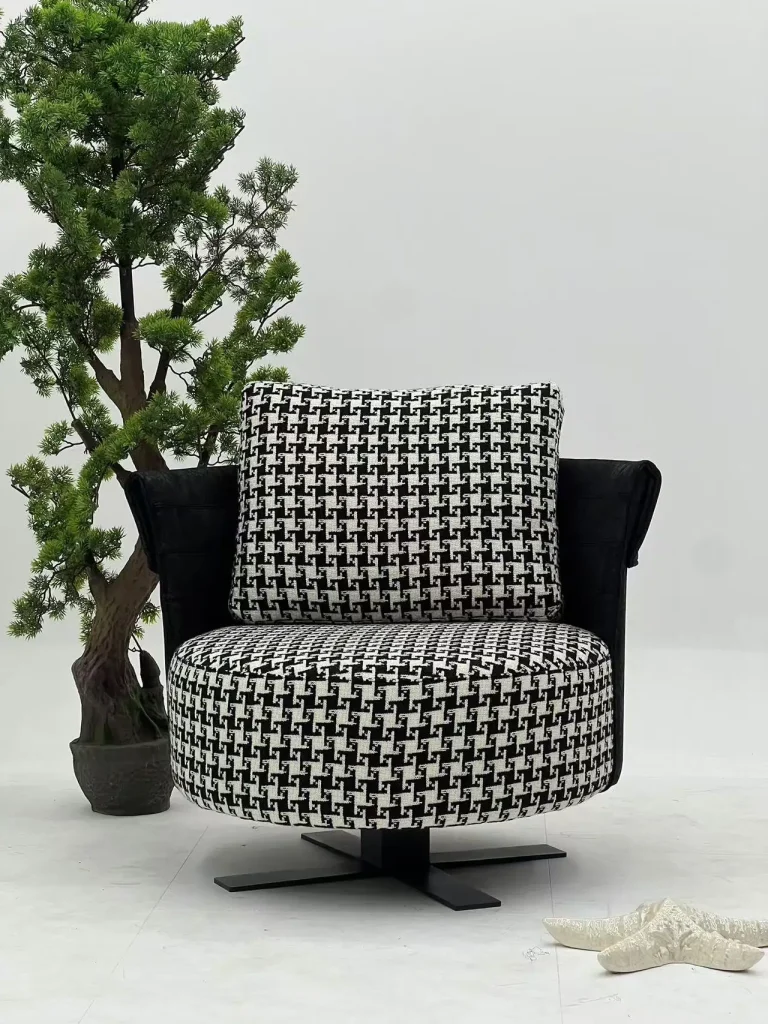
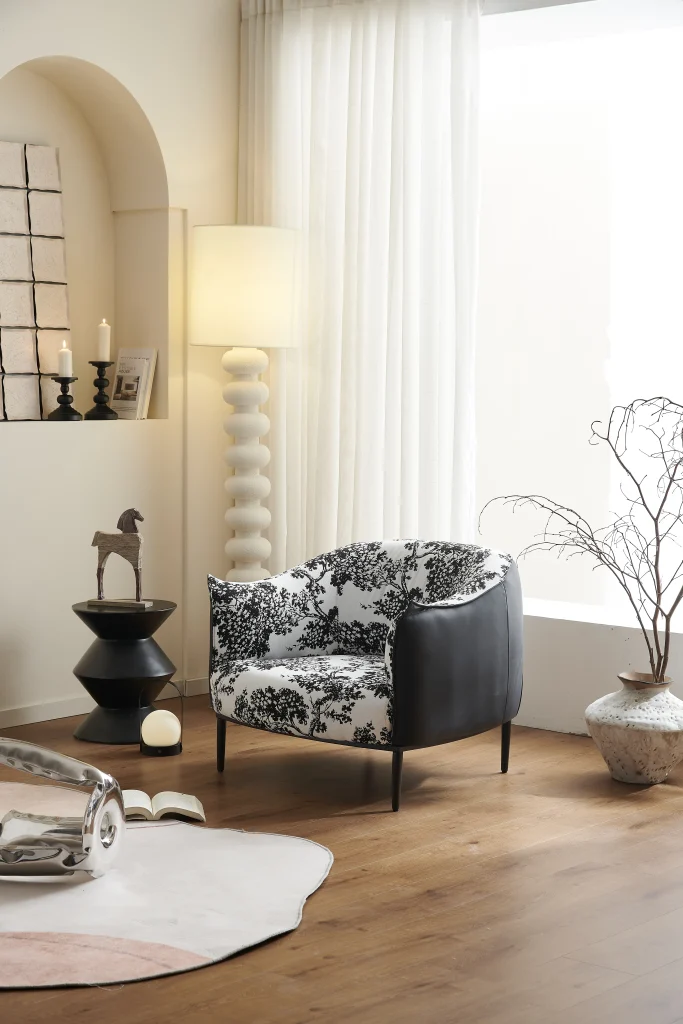
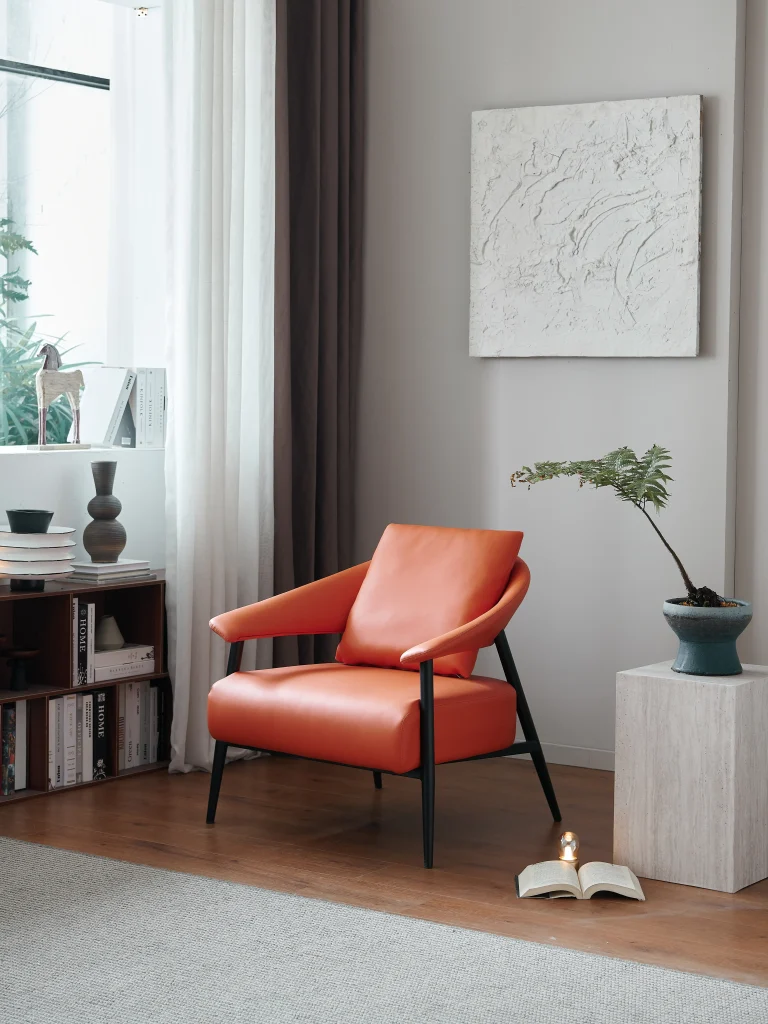
How to Specify Lounge Chairs for a Project
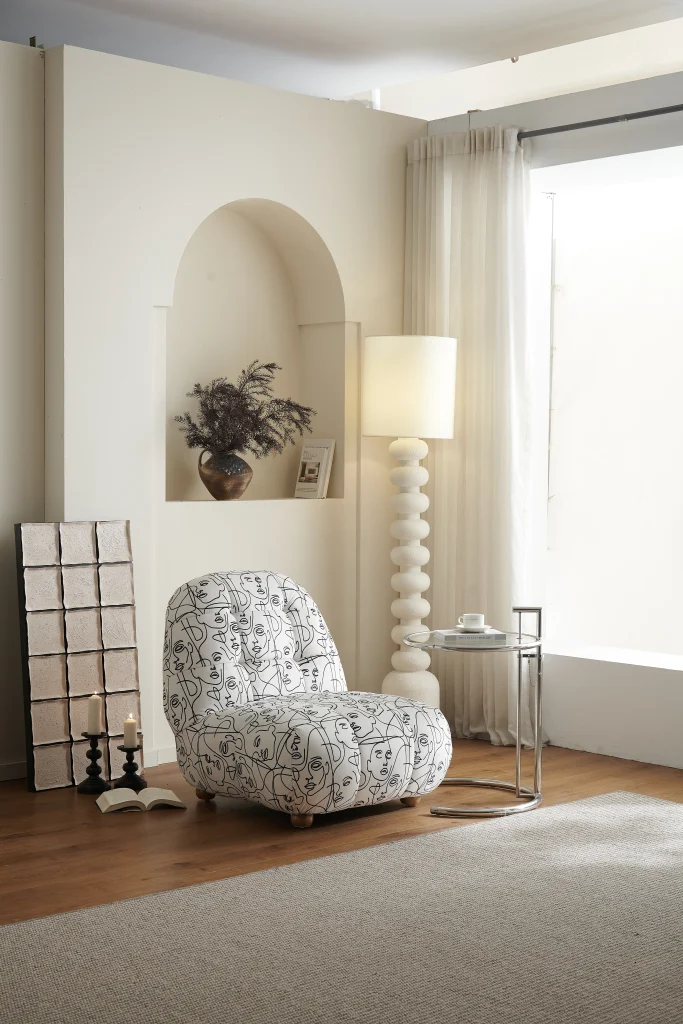
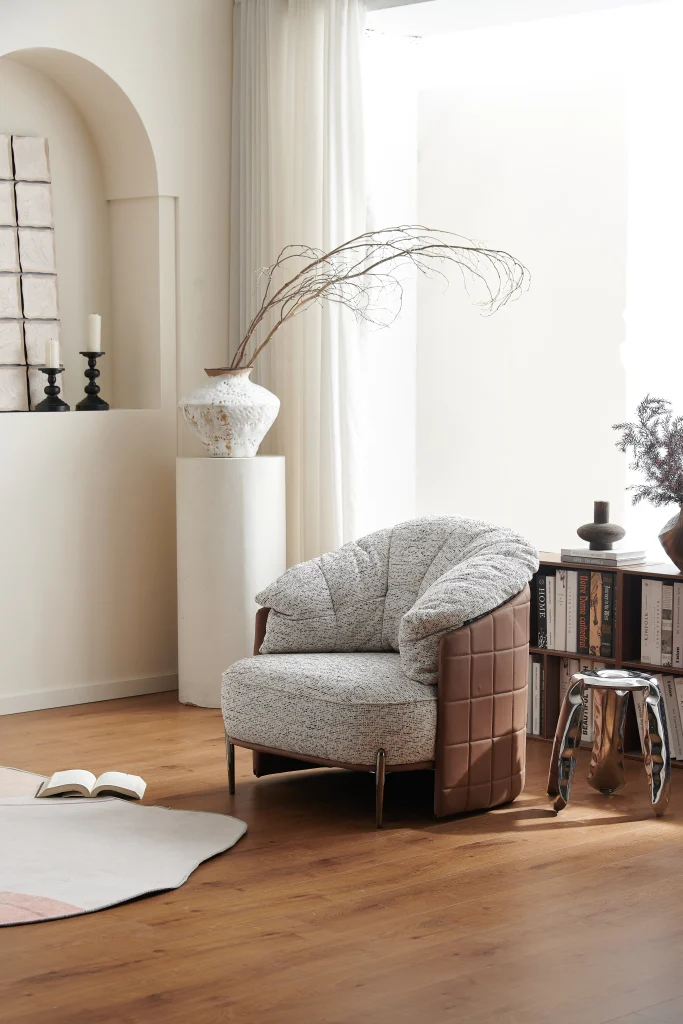
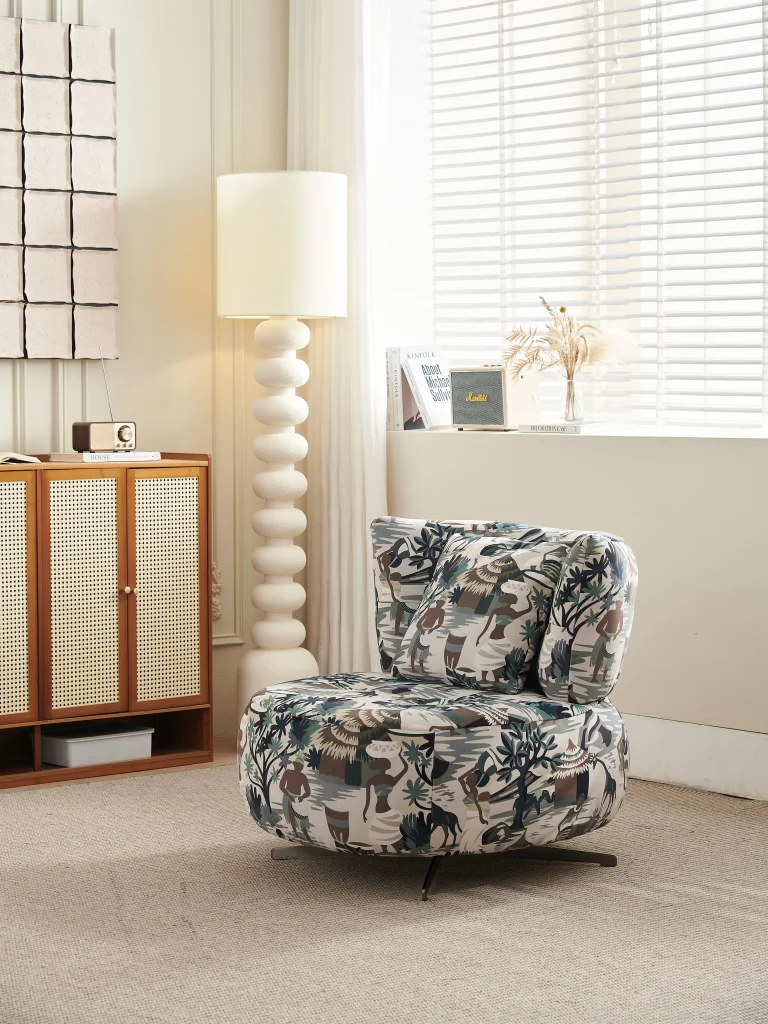
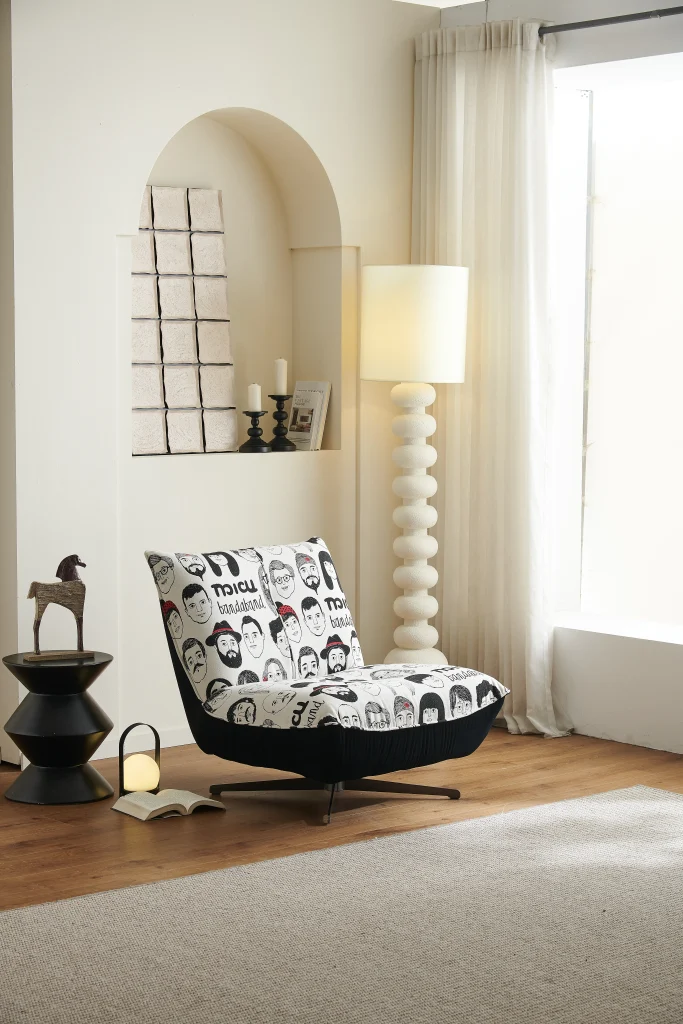
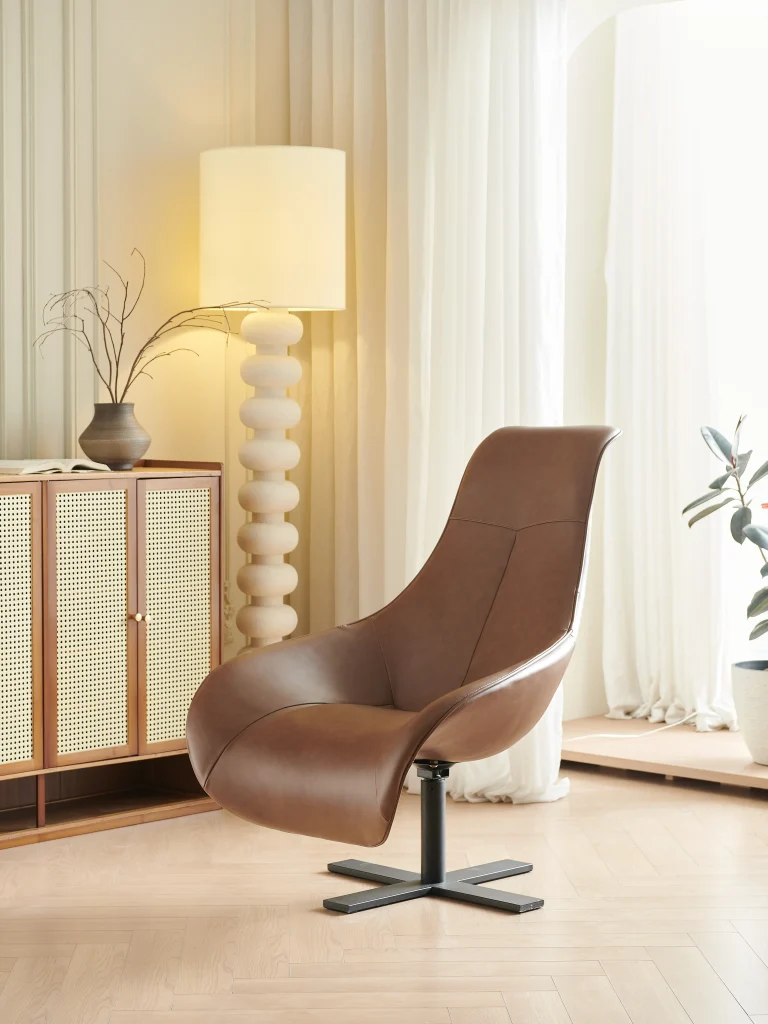
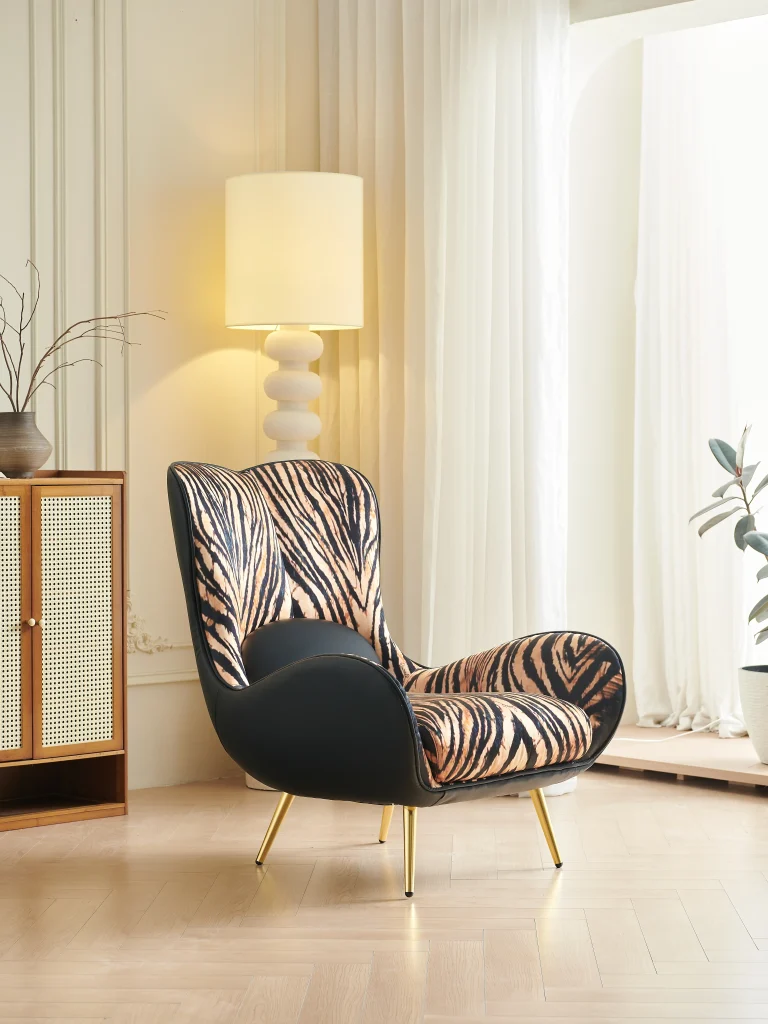
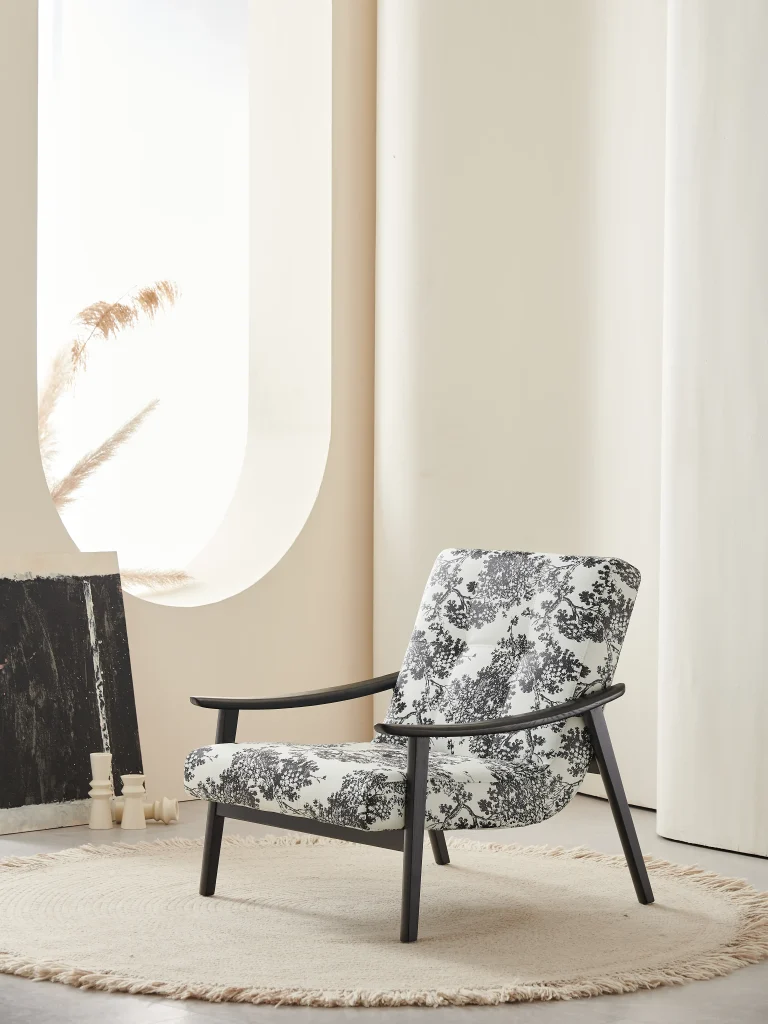
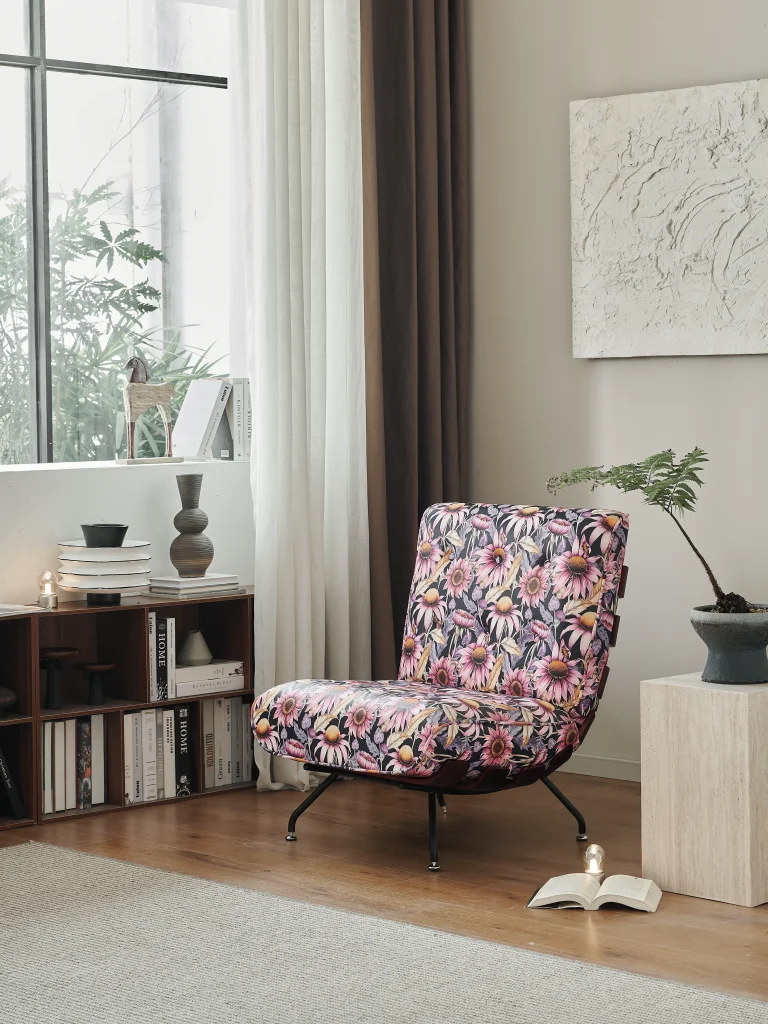
A lounge chair should be selected by its real sitting purpose, not by appearance alone. Hotel rooms, reception areas, villas, retail collections and residential interiors place different demands on seat depth, cushion resilience, upholstery cleaning and frame strength. Begin with the intended user and sitting duration, then confirm the chair can pass through the delivery route and leave a practical walking path after installation.
Use the lounge chair dimensions guide to compare width, depth, seat height and clearance. When the choice is between fixed relaxed seating and adjustable support, the lounge chair vs recliner guide explains the functional difference.
Common Lounge Chair Specifications
| Specification | What to confirm | Project impact |
|---|
| Overall and seat size | Width, depth, height and occupied seat height | Room fit, comfort and circulation |
| Frame | Solid wood, plywood, metal or mixed structure | Stability, weight and service life |
| Cushion | Foam density, firmness, wrap and suspension | Support and shape recovery |
| Upholstery | Composition, color, abrasion and cleaning method | Maintenance and repeatability |
| Packaging | Carton size, protection and loading quantity | Freight, storage and damage control |
Materials, Comfort and Customization
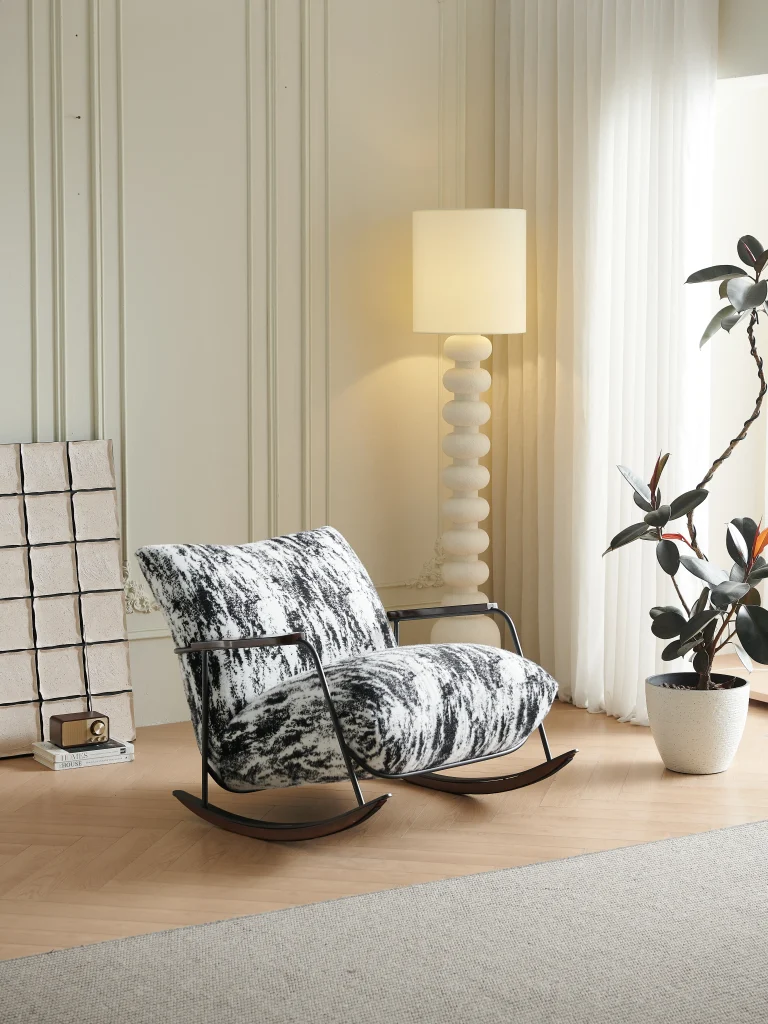
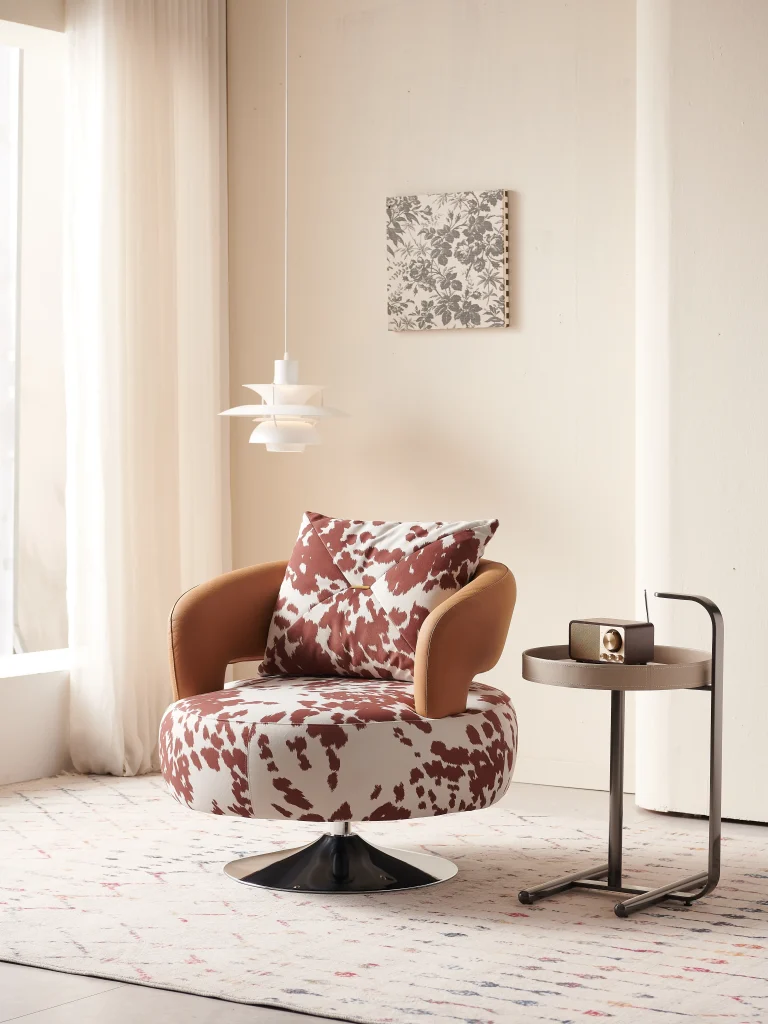
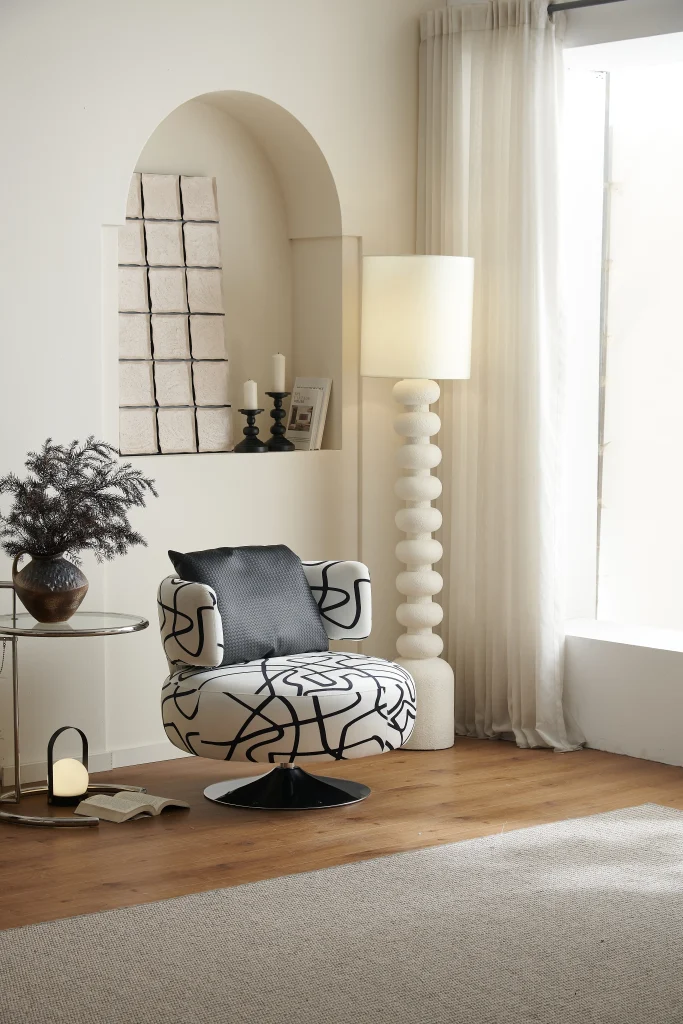
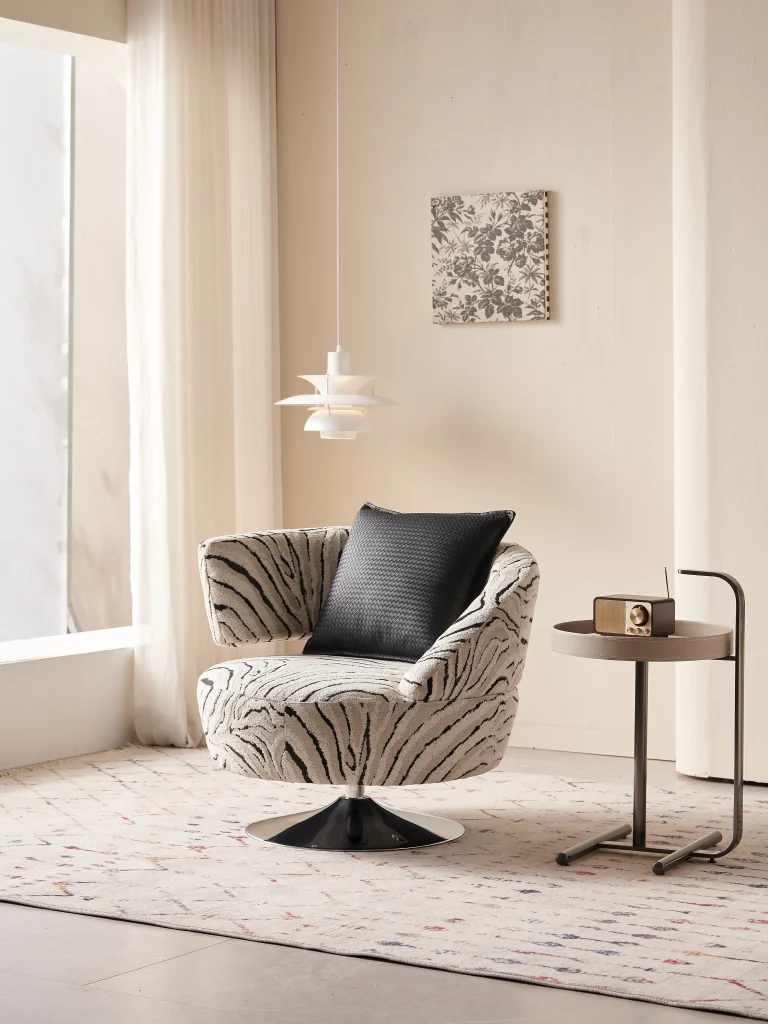
Chenille, boucle, velvet, woven polyester and leather-look upholstery create different visual and maintenance results. A soft hand feel does not automatically mean better durability. Compare pilling, snagging, stain response, seam strength and color consistency alongside comfort. The fabric lounge chair guide and leather lounge chair guide provide material-specific checks.
OEM and ODM projects may require custom fabric, dimensions, leg finish, foam firmness, labels or packaging. Approve a physical sample and keep the signed specification as the reference for production. For pricing and technical details, send the quantity, target market and customization requirements.
Lounge Chair Buying Checklist
- Confirm room dimensions, traffic paths and delivery access.
- Match seat depth and height to the intended users.
- Request frame, foam and upholstery specifications.
- Define cleaning and performance requirements.
- Approve color and comfort with a sample.
- Confirm packaging, loading quantity and production timing.